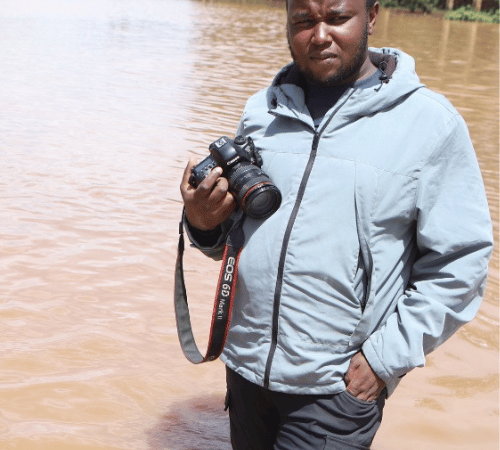
Hi, I’m Patrick Ngugi, a photographer based in Nairobi with a passion for storytelling that makes an impact. My work focuses on news and climate change photography—capturing the moments that matter, the stories that need to be told, and the realities that shape our world.
Through my lens, I bring to light the human side of global challenges, whether it’s covering breaking news or documenting the effects of climate change on communities here in Kenya and beyond. I believe that a single image has the power to inform, inspire, and move people to action.
Working with media outlets, NGOs, and other organizations, I aim to create visuals that resonate deeply and foster change. If you’re looking for powerful, story-driven photography, I’d love to explore how my work can help bring your vision to life. Feel free to take a look at my portfolio to see the world as I see it—or reach out if you’d like to connect!
find with me
KRISTINA SMOLYER
I am a Developer.Professional Coder.UI/UX Designer.
There are always some stocks, which illusively scale lofty heights in a given time period. However, the good show doesn’t last for these overblown toxic stocks as their current price is not justified by their fundamental strength.
Strategy
A strategy is a general plan to achieve one or more long-term. labore et dolore magna aliqua.
Design
UI/UX Design, Art Direction, A design is a plan or specification for art. which illusively scale lofty heights.
User Experience
User experience (UX) design is the process design teams use to create products that provide.
Toxic companies are usually characterized by huge debt loads and are vulnerable to external shocks. Accurately identifying such bloated stocks and getting rid of them at the right time can protect your portfolio.
Overpricing of these toxic stocks can be attributed to either an irrational enthusiasm surrounding them or some serious fundamental drawbacks. If you own such bubble stocks for an inordinate period of time, you are bound to see a massive erosion of wealth.
Screen OneScreen Two
However, if you can precisely spot such toxic stocks, you may gain by resorting to an investing strategy called short selling. This strategy allows one to sell a stock first and then buy it when the price falls.
While short selling excels in bear markets, it typically loses money in bull markets.
So, just like identifying stocks with growth potential, pinpointing toxic stocks and offloading them at the right time is crucial to guard one’s portfolio from big losses or make profits by short selling them. Heska Corporation HSKA, Tandem Diabetes Care, Inc. TNDM, Credit Suisse Group CS,Zalando SE ZLNDY and Las Vegas Sands LVS are a few such toxic stocks.Screening Criteria
Here is a winning strategy that will help you to identify overhyped toxic stocks:
Most recent Debt/Equity Ratio greater than the median industry average: High debt/equity ratio implies high leverage. High leverage indicates a huge level of repayment that the company has to make in connection with the debt amount.
Through a wide variety of mobile applications, we’ve developed a unique visual system and strategy that can be applied across the spectrum of available applications.
Most recent Debt/Equity Ratio greater than the median industry average: High debt/equity ratio implies high leverage. High leverage indicates a huge level of repayment that the company has to make in connection with the debt amount.
Through a wide variety of mobile applications, we’ve developed a unique visual system and strategy that can be applied across the spectrum of available applications.
Lorem ipsum dolor sit amet, consectetur adipiscing elit, sed do eiusmod tempor incididunt ut labore et dolore magna aliqua. Quis ipsum suspendisse ultrices gravida. Risus commod viverra maecenas accumsan lacus vel facilisis. ut labore et dolore magna aliqua.
There are always some stocks, which illusively scale lofty heights in a given time period. However, the good show doesn’t last for these overblown toxic stocks as their current price is not justified by their fundamental strength.
Toxic companies are usually characterized by huge debt loads and are vulnerable to external shocks. Accurately identifying such bloated stocks and getting rid of them at the right time can protect your portfolio.
Overpricing of these toxic stocks can be attributed to either an irrational enthusiasm surrounding them or some serious fundamental drawbacks. If you own such bubble stocks for an inordinate period of time, you are bound to see a massive erosion of wealth.
However, if you can precisely spot such toxic stocks, you may gain by resorting to an investing strategy called short selling. This strategy allows one to sell a stock first and then buy it when the price falls.
While short selling excels in bear markets, it typically loses money in bull markets.
So, just like identifying stocks with growth potential, pinpointing toxic stocks and offloading them at the right time is crucial to guard one’s portfolio from big losses or make profits by short selling them. Heska Corporation HSKA, Tandem Diabetes Care, Inc. TNDM, Credit Suisse Group CS,Zalando SE ZLNDY and Las Vegas Sands LVS are a few such toxic stocks.Screening Criteria
Here is a winning strategy that will help you to identify overhyped toxic stocks:
Most recent Debt/Equity Ratio greater than the median industry average: High debt/equity ratio implies high leverage. High leverage indicates a huge level of repayment that the company has to make in connection with the debt amount.
Through a wide variety of mobile applications, we’ve developed a unique visual system and strategy that can be applied across the spectrum of available applications.
Lorem ipsum dolor sit amet, consectetur adipiscing elit, sed do eiusmod tempor incididunt ut labore et dolore magna aliqua. Quis ipsum suspendisse ultrices gravida. Risus commod viverra maecenas accumsan lacus vel facilisis. ut labore et dolore magna aliqua.
There are always some stocks, which illusively scale lofty heights in a given time period. However, the good show doesn’t last for these overblown toxic stocks as their current price is not justified by their fundamental strength.
Toxic companies are usually characterized by huge debt loads and are vulnerable to external shocks. Accurately identifying such bloated stocks and getting rid of them at the right time can protect your portfolio.
Overpricing of these toxic stocks can be attributed to either an irrational enthusiasm surrounding them or some serious fundamental drawbacks. If you own such bubble stocks for an inordinate period of time, you are bound to see a massive erosion of wealth.
However, if you can precisely spot such toxic stocks, you may gain by resorting to an investing strategy called short selling. This strategy allows one to sell a stock first and then buy it when the price falls.
While short selling excels in bear markets, it typically loses money in bull markets.
So, just like identifying stocks with growth potential, pinpointing toxic stocks and offloading them at the right time is crucial to guard one’s portfolio from big losses or make profits by short selling them. Heska Corporation HSKA, Tandem Diabetes Care, Inc. TNDM, Credit Suisse Group CS,Zalando SE ZLNDY and Las Vegas Sands LVS are a few such toxic stocks.Screening Criteria
Here is a winning strategy that will help you to identify overhyped toxic stocks:
Most recent Debt/Equity Ratio greater than the median industry average: High debt/equity ratio implies high leverage. High leverage indicates a huge level of repayment that the company has to make in connection with the debt amount.
Through a wide variety of mobile applications, we’ve developed a unique visual system and strategy that can be applied across the spectrum of available applications.
Lorem ipsum dolor sit amet, consectetur adipiscing elit, sed do eiusmod tempor incididunt ut labore et dolore magna aliqua. Quis ipsum suspendisse ultrices gravida. Risus commod viverra maecenas accumsan lacus vel facilisis. ut labore et dolore magna aliqua.
There are always some stocks, which illusively scale lofty heights in a given time period. However, the good show doesn’t last for these overblown toxic stocks as their current price is not justified by their fundamental strength.
Toxic companies are usually characterized by huge debt loads and are vulnerable to external shocks. Accurately identifying such bloated stocks and getting rid of them at the right time can protect your portfolio.
Overpricing of these toxic stocks can be attributed to either an irrational enthusiasm surrounding them or some serious fundamental drawbacks. If you own such bubble stocks for an inordinate period of time, you are bound to see a massive erosion of wealth.
However, if you can precisely spot such toxic stocks, you may gain by resorting to an investing strategy called short selling. This strategy allows one to sell a stock first and then buy it when the price falls.
While short selling excels in bear markets, it typically loses money in bull markets.
So, just like identifying stocks with growth potential, pinpointing toxic stocks and offloading them at the right time is crucial to guard one’s portfolio from big losses or make profits by short selling them. Heska Corporation HSKA, Tandem Diabetes Care, Inc. TNDM, Credit Suisse Group CS,Zalando SE ZLNDY and Las Vegas Sands LVS are a few such toxic stocks.Screening Criteria
Here is a winning strategy that will help you to identify overhyped toxic stocks:
Most recent Debt/Equity Ratio greater than the median industry average: High debt/equity ratio implies high leverage. High leverage indicates a huge level of repayment that the company has to make in connection with the debt amount.
The training provided by universities in order to prepare people to work in various sectors of the economy or areas of culture.
AS - Science & Information
SuperKing College (2001 - 2005)
4.75/5
Higher education is tertiary education leading to award of an academic degree. Higher education, also called post-secondary education.
Secondary School Education
Kingstar Secondary School (1998 - 2000)
5.00/5
Secondary education or post-primary education covers two phases on the International Standard Classification of Education scale.
2010 - 2022
Job Experience
Sr. Software Engineer
Google Out Tech - (2017 - Present)
USA
Google’s hiring process is an important part of our culture. Googlers care deeply about their teams and the people who make them up.
Web Developer & Trainer
Apple Developer Team - (2012 - 2016)
MALAYSIA
A popular destination with a growing number of highly qualified homegrown graduates, it's true that securing a role in Malaysia isn't easy.
Front-end Developer
Nike - (2020 - 2011)
INDIA
The India economy has grown strongly over recent years, having transformed itself from a producer and innovation-based economy.
Features
Design Skill
PHOTOSHOT
100%
FIGMA
95%
ADOBE XD.
60%
ADOBE ILLUSTRATOR
70%
DESIGN
90%
Features
Development Skill
HTML
100%
CSS
95%
JAVASCRIPT
60%
SOFTWARE
70%
PLUGIN
90%
2010 - 2022
Job Experience
Sr. Software Engineer
Google Out Tech - (2017 - Present)
USA
Google’s hiring process is an important part of our culture. Googlers care deeply about their teams and the people who make them up.
Web Developer & Trainer
Apple Developer Team - (2012 - 2016)
MALAYSIA
A popular destination with a growing number of highly qualified homegrown graduates, it's true that securing a role in Malaysia isn't easy.
Front-end Developer
Nike - (2020 - 2011)
INDIA
The India economy has grown strongly over recent years, having transformed itself from a producer and innovation-based economy.
2001 - 2020
Trainer Experience
Gym Instructor
Rainbow Gym Center (2015 - 2020)
DHAKA
The training provided by universities in order to prepare people to work in various sectors of the economy or areas of culture.
Web Developer and Instructor
SuperKing College (2010 - 2014)
CANADA
Higher education is tertiary education leading to award of an academic degree. Higher education, also called post-secondary education.
School Teacher
Kingstar Secondary School (2001 - 2010)
NEVADA
Secondary education or post-primary education covers two phases on the International Standard Classification of Education scale.
2007 - 2010
Company Experience
Personal Portfolio April Fools
University of DVI (1997 - 2001))
4.30/5
The education should be very interactual. Ut tincidunt est ac dolor aliquam sodales. Phasellus sed mauris hendrerit, laoreet sem in, lobortis mauris hendrerit ante.
Examples Of Personal Portfolio
University of DVI (1997 - 2001))
4.30/5
The education should be very interactual. Ut tincidunt est ac dolor aliquam sodales. Phasellus sed mauris hendrerit, laoreet sem in, lobortis mauris hendrerit ante.
Tips For Personal Portfolio
University of DVI (1997 - 2001))
4.30/5
The education should be very interactual. Ut tincidunt est ac dolor aliquam sodales. Phasellus sed mauris hendrerit, laoreet sem in, lobortis mauris hendrerit ante.
2007 - 2010
Job Experience
Personal Portfolio April Fools
University of DVI (1997 - 2001))
4.30/5
The education should be very interactual. Ut tincidunt est ac dolor aliquam sodales. Phasellus sed mauris hendrerit, laoreet sem in, lobortis mauris hendrerit ante.
Examples Of Personal Portfolio
University of DVI (1997 - 2001))
4.30/5
The education should be very interactual. Ut tincidunt est ac dolor aliquam sodales. Phasellus sed mauris hendrerit, laoreet sem in, lobortis mauris hendrerit ante.
Tips For Personal Portfolio
University of DVI (1997 - 2001))
4.30/5
The education should be very interactual. Ut tincidunt est ac dolor aliquam sodales. Phasellus sed mauris hendrerit, laoreet sem in, lobortis mauris hendrerit ante.
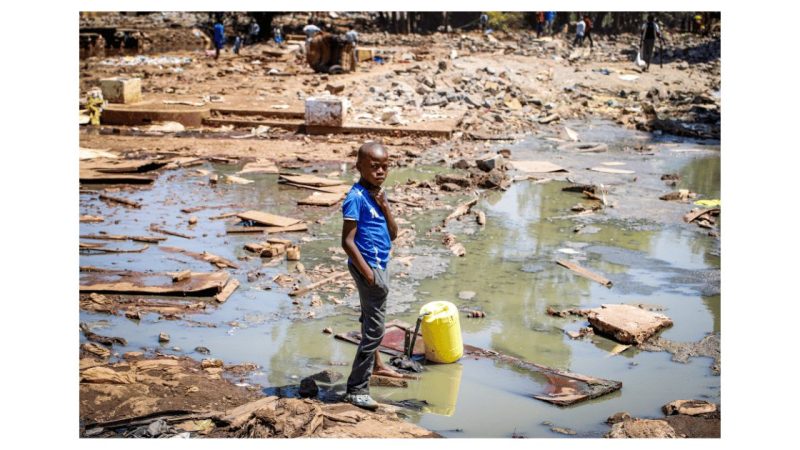
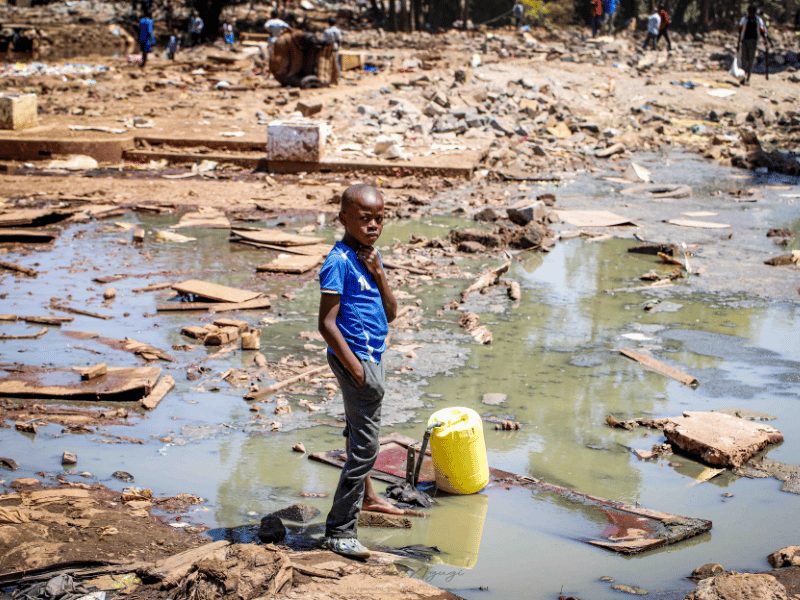
Cholera Rise After Floods in A rise for Survival in Mathare
In the heart of Nairobi, where the city’s skyline gives way to crowded slums and makeshift homes, the air is thick with despair. The recent floods had swept through the forgotten alleys of Mathare, bringing with them more than just the smell of decay and destruction. They had left behind a lingering danger – a silent killer – that no one could see but everyone could feel.
The day was sweltering, yet the ground remained sodden with the aftermath of days of relentless rain. The children waded through the murky, trash-filled waters as if it were an ordinary walk to school. Their tiny feet, bare and exposed, splashed in puddles that shimmered with oily rainbows from the refuse swirling around. It was a scene almost apocalyptic, yet for the residents here, it was just another day.
A Child’s Innocence Amid the Ruins
Nine-year-old Mercy held two plastic jerrycans full of water in her tiny hands, her dark skin gleaming with sweat. Her brow was furrowed with the seriousness of someone far older than her years. She, along with her younger sister, had been sent by their mother to fetch water. The river – once a vital lifeline to the slum’s survival – had transformed into a toxic brew of waste, sewage, and the remnants of what the floodwaters had carried downstream.
As she carefully made her way toward the water’s edge, avoiding the sharp edges of broken plastic and discarded food wrappers, her bare feet slipped slightly in the mud. Her eyes met mine briefly, and in them, I saw a world of resilience – a strength born out of necessity.
“We don’t have a choice,” she said, her voice steady despite her age. “We need water, but we know it may make us sick.”
Behind her, a group of children huddled together, playfully competing over who could gather the most debris. Their laughter seemed jarring against the backdrop of destruction, a poignant reminder that even in the harshest conditions, life finds a way to persist. But with every splash they made in the water, a new ripple of danger was sent forth – cholera, typhoid, dysentery – names that lurked unseen beneath the surface of the brown, stagnant water.
The Forgotten Victims of Climate Change
Across the polluted stream, James Ochieng, a father of five, stood with a wooden stick, helping two young boys retrieve their soccer ball, which had rolled into the debris-filled water. The makeshift bridge, a shaky structure of rusted metal and weathered wood, had become a battleground against the floods, which had destroyed most of the footpaths and left the community stranded on either side of the polluted river.
“When the floods come, they take away our lives,” he said, his voice hoarse, not from sickness, but from years of shouting above the daily grind of the slums. “We don’t need scientists to tell us about climate change. We see it every day. The rain used to come, but not like this. This… this is not normal.”
He gestured towards the river, where pieces of garbage floated by. “Look at this. This water, it’s poison. But what can we do? The government doesn’t come here. The world doesn’t care about us.”
Waterborne Diseases: The Unseen Enemy
The dirty water was only part of the problem. For the people of Mathare, the floods had brought with them a wave of diseases that no one was prepared to fight. Local clinics were overwhelmed, understaffed, and under-resourced. Cases of cholera and dysentery had spiked, particularly among children. The bacteria thrived in the contaminated water, infecting those who drank it, bathed in it, or even touched it.
In one corner of the slum, near the communal latrines, a group of women had gathered to wash clothes. Fresh puddles of water pooled at their feet, each splash another potential infection. Mary, a middle-aged mother, bent over a tub, her hands raw from scrubbing. She had heard of the waterborne diseases spreading through the community, but her worry was mixed with resignation.
“My youngest has had diarrhea for days,” she whispered, eyes darting toward her one-year-old son playing nearby. “I took him to the clinic, but they said there’s no medicine. What can I do? If we don’t wash our clothes, we’ll get sick. If we use this water, we’ll get sick. It’s like we are trapped.”
The desperation in her voice was palpable, an echo of the feelings shared by hundreds of families across the slum. There was no escaping the water, no escaping the disease. Every action carried a risk, and every day felt like a balancing act between survival and succumbing.
A City’s Neglect, A People’s Strength
For years, Nairobi’s slum dwellers have been forgotten by the systems meant to protect them. The floods had become more frequent and more devastating, yet the city’s infrastructure had remained inadequate. Trash collected in rivers, blocking drainage and amplifying the floods when the rains came. Buildings – hastily constructed and often unregulated – crumbled under the weight of the water, turning homes into death traps.
And yet, amid the neglect, there was resilience. Families like James’s continued to find ways to survive, children like Mercy still fetched water despite the dangers, and mothers like Mary still washed their clothes in the polluted streams. They fought, not just against the water, but against a system that had abandoned them long ago.
The rains would come again, that much was certain. And with them, so too would the diseases, the floods, and the fear. But as I walked away from Mathare, I couldn’t help but feel a deep respect for the people who lived there. They weren’t just victims of climate change or government negligence – they were survivors, doing everything they could to keep their heads above water in a world determined to drown them.
As the sun began to set over Nairobi’s skyline, casting a golden hue over the slum’s makeshift homes, I realized that the true story of this place was not just about floods or diseases. It was about the strength of the human spirit – the ability to endure, to fight, and to hope, even in the face of overwhelming odds.
Drought Crisis as Climate Change Hits Ganze, Kilifi County
A searing sun beats down on Ganze, Kilifi County, turning the once fertile ground into a parched, cracked desert. The scent of desperation and struggle hangs in the air, carried by the hot wind that sweeps across the region. Ganze, a rural community in Coastal Kenya where agriculture and livestock are lifelines, has been brought to its knees by an unrelenting drought. Families here live on the edge, constantly battling against nature’s fury.
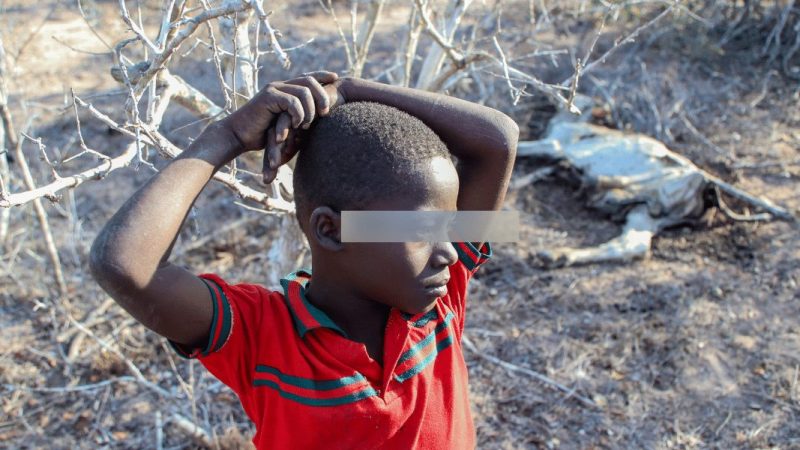
Amid this harsh reality, a young boy stands under the skeletal branches of a dying tree. His red shirt, once vibrant, now looks worn and faded, much like the landscape surrounding him. His eyes are fixed on the distance, lost in thought as his hands rest atop his head. Behind him, the carcass of a cow lies motionless on the ground. What was once a symbol of wealth and survival for his family has now become just another casualty of the drought.
“We are watching our land die, our cattle die, and our hope fade. If the rains don’t come soon, I don’t know how we’ll make it through the next season.” Katana, a resident of Milore Village, told us.
The cattle in Ganze, central to the livelihoods of many, have been the hardest hit by this crisis. With water sources drying up, livestock have become frail, unable to survive the long journeys to find food and hydration. The boy’s expression tells the story of an entire community—resilience battered by loss.
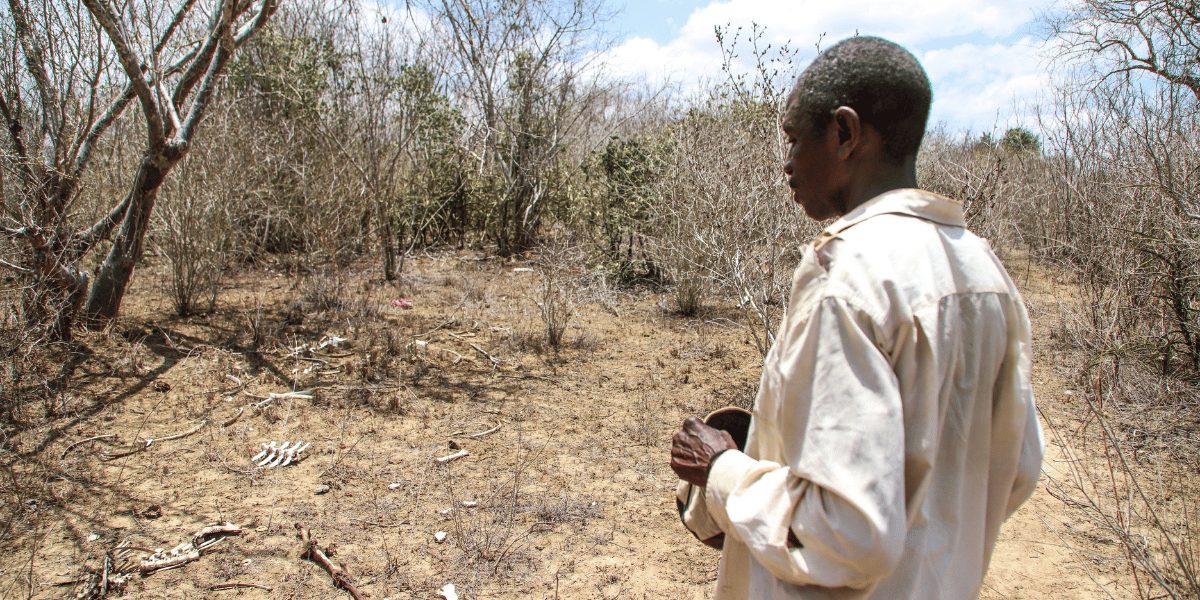
Not far from the boy, Kazungu Kenga, 57, wades into a shrinking waterhole, gripping the horns of his remaining cow. He pulls the animal closer to the water, urging it to drink while there’s still time. His frail body, worn by years of struggle, moves slowly but with deting another casualty of the drought.
Mutuma Karani, Local Herder: “Every day feels like a battle for survival. Our cattle are our lifeblood, but now, it’s a race against time to keep them alive. The rains used to be predictable, but now they’re just a memory.”
In Ganze, survival is a balancing act. The waterhole, once a haven for herders and their livestock, now struggles to provide for the few animals that remain. The banks, cracked and dry, are a reminder of just how much the climate has shifted. Elders recall a time when the rains were regular, and the pastures were green, but those memories are fading as the harsh realities of climate change take over.
Wekesa Omondi, Ganze Elder: “I have lived through many droughts, but nothing like this. Our ancestors knew the land and the weather patterns, but the climate is no longer something we can predict. We pray for rain, but the skies remain silent.”
A short distance away, another herder stands by the edge of the waterhole, surveying his cattle. The once-lush grazing lands are now barren, and the only water source left is dwindling fast. He wears a look of resignation, knowing that even the waterhole, which has sustained his community for generations, may not last much longer. The cows, once symbols of wealth, are now desperate creatures fighting for survival, and their emaciated frames reflect the severity of the crisis.
Juma Hassan, Waterhole Guardian: “We used to have enough water for everyone, even the livestock. Now, it’s a struggle. We have to make difficult decisions about who gets water, and the animals are dying right before our eyes.”
For these pastoralists, climate change is not just an abstract concept debated in distant conference rooms. It is a daily battle for survival, a struggle for the most basic of needs—water, food, and shelter. The drought in Ganze has pushed communities to the brink, leaving them vulnerable to hunger, disease, and displacement.
Yet, even amid this devastation, there is resilience. The boy in the red shirt, though surrounded by death and loss, stands with his hands on his head, as if in defiance of the forces threatening to consume his world. The elderly man, tired but determined, refuses to let his last cow die. And the herder by the waterhole, though facing the loss of his livelihood, continues to stand tall, watching over his cattle with hope that the rains will one day return.
The drought in Ganze is a stark reminder that climate change is not a future threat; it is a present crisis. As global temperatures rise and weather patterns become increasingly unpredictable, the people of Ganze, like many others across Kenya, are left to grapple with the consequences. The question remains—will the world take notice before it’s too late?
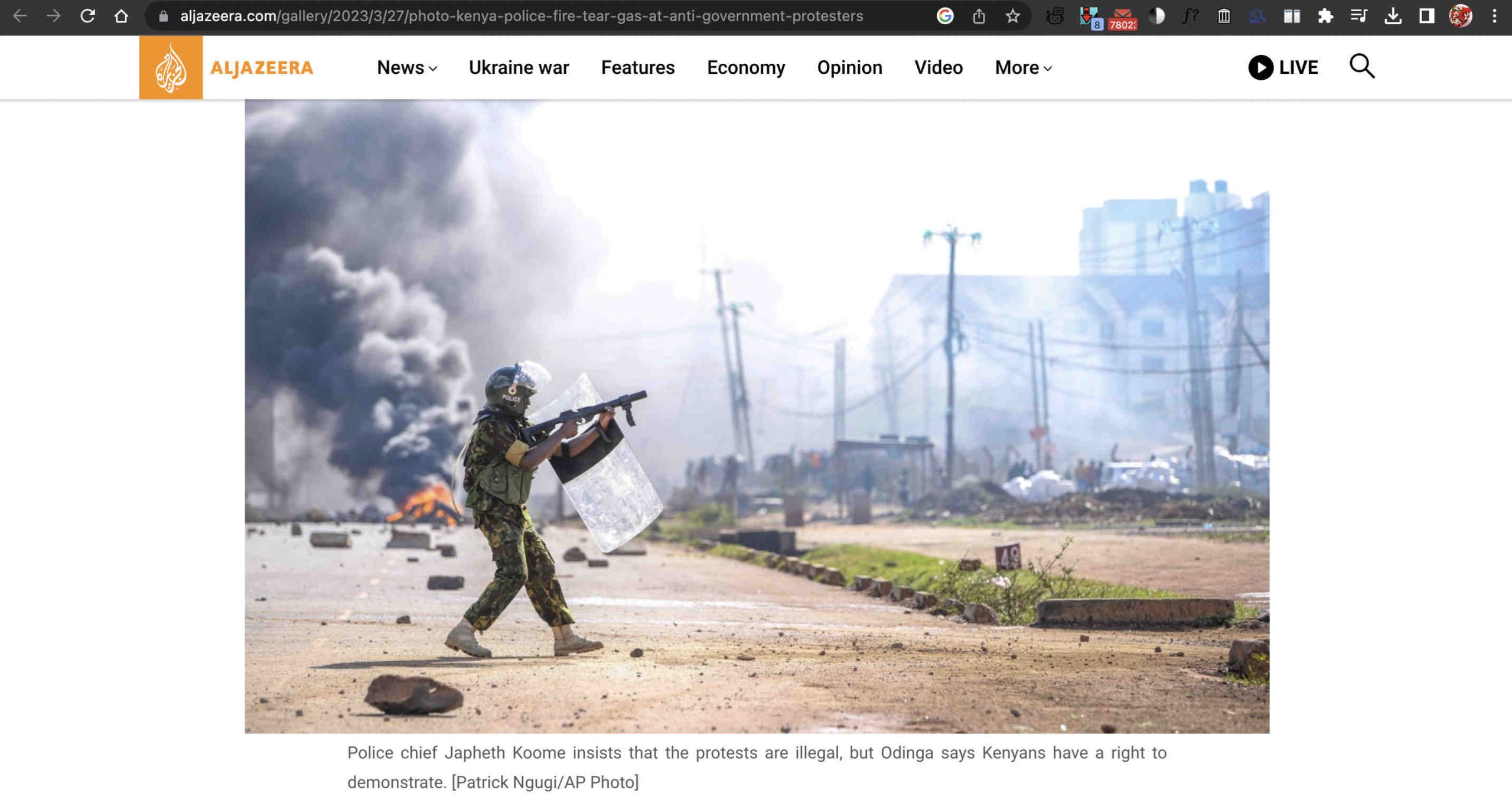
On a scorched street in Nairobi, thick smoke billowed into the sky as the sharp cracks of tear gas canisters echoed through the air. A soldier, shielded by riot gear and a transparent shield, raised his weapon and prepared to fire into the fray. On the other side of the barricade, angry chants of protestors reverberated, their voices united against economic injustice. In that fleeting moment, photographer Patrick Ngugi captured a single frame—a soldier’s resolute stance in a sea of chaos. The image encapsulates the tension, desperation, and resilience of a nation grappling with inequality.
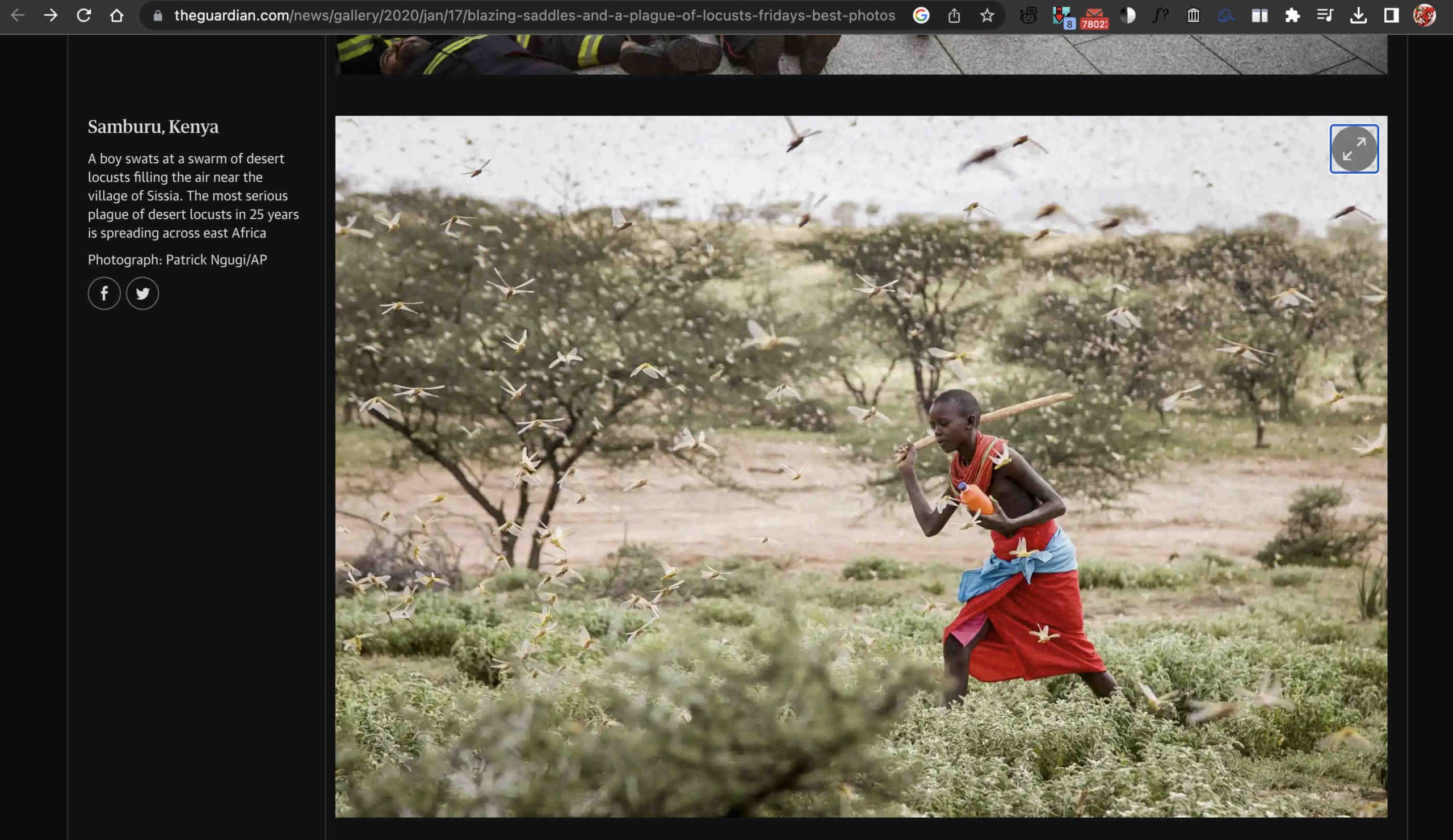
Hundreds of kilometers away, in Samburu, another story unfolded under a glaring sun. On the arid plains, a young boy in a vibrant red shuka dashed through a sea of golden locusts, his stick swinging with determination. The locusts, a shimmering swarm that blanketed the sky, posed an existential threat to the livelihoods of his community. Patrick’s camera clicked once again, immortalizing not just the calamity but the spirit of defiance. The boy was no victim; he was a warrior, fighting for his land and his people against a force far beyond his control.
These photographs are not just visual records—they are emotional narratives, visceral testimonies of Kenya’s struggles and triumphs. Through his lens, Patrick Ngugi has become a storyteller, etching the realities of his homeland into the global consciousness.
The Story Behind the Frame
Patrick Ngugi is not just a photojournalist; he’s a storyteller with a mission. “When I look through my viewfinder, I’m not just capturing an image; I’m documenting life, struggle, and resilience,” Patrick explains. His work transcends mere documentation, bridging the gap between Kenya’s untold stories and the world beyond. From the fiery protests in Nairobi to the unforgiving plains of Samburu, Patrick’s photographs evoke emotions and spark conversations.
One of his most iconic works, the photograph of a soldier at the Nairobi protest, reflects more than just a moment of conflict. Taken during demonstrations against the controversial “new money bill,” it symbolizes the growing discontent in the country. The bill, seen as a harbinger of economic hardship, had mobilized thousands. Through Patrick’s lens, the tension becomes humanized—a soldier performing his duty against the backdrop of citizens demanding change.
In Samburu, Patrick shifts his focus to another crisis—the locust plague that ravaged East Africa. His image of the young boy battling the swarm is a poignant depiction of climate change and its human toll. “That boy’s determination reminded me of the spirit of our people,” Patrick reflects. “Even in the face of insurmountable odds, we stand and fight.”
Why Photojournalism Matters
Best photojournalists like Patrick Ngugi are doing more than just taking pictures—they are creating platforms for dialogue and change. In a country where urban and rural realities often feel worlds apart, photography becomes the bridge, connecting these disparate narratives.
Patrick’s photograph of the Nairobi protest sparked debates on police brutality and the citizens’ right to peaceful demonstrations. Shared widely on social media, it became a rallying cry for accountability and reform. Similarly, his image of the Samburu boy drew attention to the devastating effects of climate change, underscoring the urgency of global action.
Through Patrick’s work, photojournalism in Kenya takes on a transformative role. It forces audiences to confront uncomfortable truths while celebrating the resilience and humanity that define the Kenyan spirit.
The Human Side of the Lens
For Patrick, every photograph comes with a profound responsibility to his subjects. “You can’t just walk into someone’s life, take a picture, and leave,” he says. During the locust infestation in Samburu, Patrick spent days in the village of Sissia, listening to the fears and dreams of its people.
“When I captured that boy running through the locusts, I wasn’t just photographing a crisis. I wanted the world to see his strength, his determination. He wasn’t a victim; he was a hero.”
This empathetic approach defines Patrick’s style and sets him apart. His photographs are not just about struggles—they are about dignity, hope, and the human spirit.
Challenges in the Field
Photojournalism in Kenya is not for the fainthearted. Patrick has faced physical dangers and ethical dilemmas in his line of work. He recalls the chaos in Nairobi as protests erupted. “I was in the thick of it,” he says. “Tear gas burned my eyes, and the sound of gunfire was deafening. But I knew I had to stay. People needed to see this.”
The challenges extend beyond the field. In an age of misinformation, maintaining authenticity has become a moral imperative. Patrick is acutely aware of the weight his images carry and the responsibility that comes with it. “Every photo has a story, and every story must be told truthfully,” he emphasizes.
The Future of the best photojournalists
With the rise of digital platforms, photojournalists like Patrick are reaching broader audiences than ever before. Social media has become a powerful tool, enabling them to connect directly with viewers and amplify their work.
Patrick sees a bright future for Kenyan photojournalism. “The younger generation is bold and fearless,” he says. “They’re not just documenting events; they’re advocating for change. And that’s what photography should be about.”
From the fiery streets of Nairobi to the locust-ridden plains of Samburu, Patrick Ngugi’s work stands as a testament to the power of visual storytelling. His photographs remind us of Kenya’s resilience, courage, and humanity. In his hands, a camera is not just a tool—it’s a weapon against ignorance, a bridge across divides, and a mirror reflecting the soul of a nation.
Contact
Contact With Me
KRISTINA SMOLYER
Chief Operating Officer
I am available for freelance work. Connect with me via and call in to my account.





















 On a scorched street in Nairobi, thick smoke billowed into the sky as the sharp cracks of tear gas canisters echoed through the air. A soldier, shielded by riot gear and a transparent shield, raised his weapon and prepared to fire into the fray. On the other side of the barricade, angry chants of protestors reverberated, their voices united against economic injustice. In that fleeting moment, photographer Patrick Ngugi captured a single frame—a soldier’s resolute stance in a sea of chaos. The image encapsulates the tension, desperation, and resilience of a nation grappling with inequality.