

Hi, I’m Patrick Ngugi, a photographer based in Nairobi with a passion for storytelling that makes an impact. My work focuses on news and climate change photography—capturing the moments that matter, the stories that need to be told, and the realities that shape our world. Through my lens, I bring to light the human side of global challenges, whether it’s covering breaking news or documenting the effects of climate change on communities here in Kenya and beyond. I believe that a single image has the power to inform, inspire, and move people to action. Working with media outlets, NGOs, and other organizations, I aim to create visuals that resonate deeply and foster change. If you’re looking for powerful, story-driven photography, I’d love to explore how my work can help bring your vision to life. Feel free to take a look at my portfolio to see the world as I see it—or reach out if you’d like to connect!
Location – Kenya
Year – 2024 – 2026(Ongoing)
Published – Self/ Associated Press(AP)
Category – Climate/ Flooding / El Nino
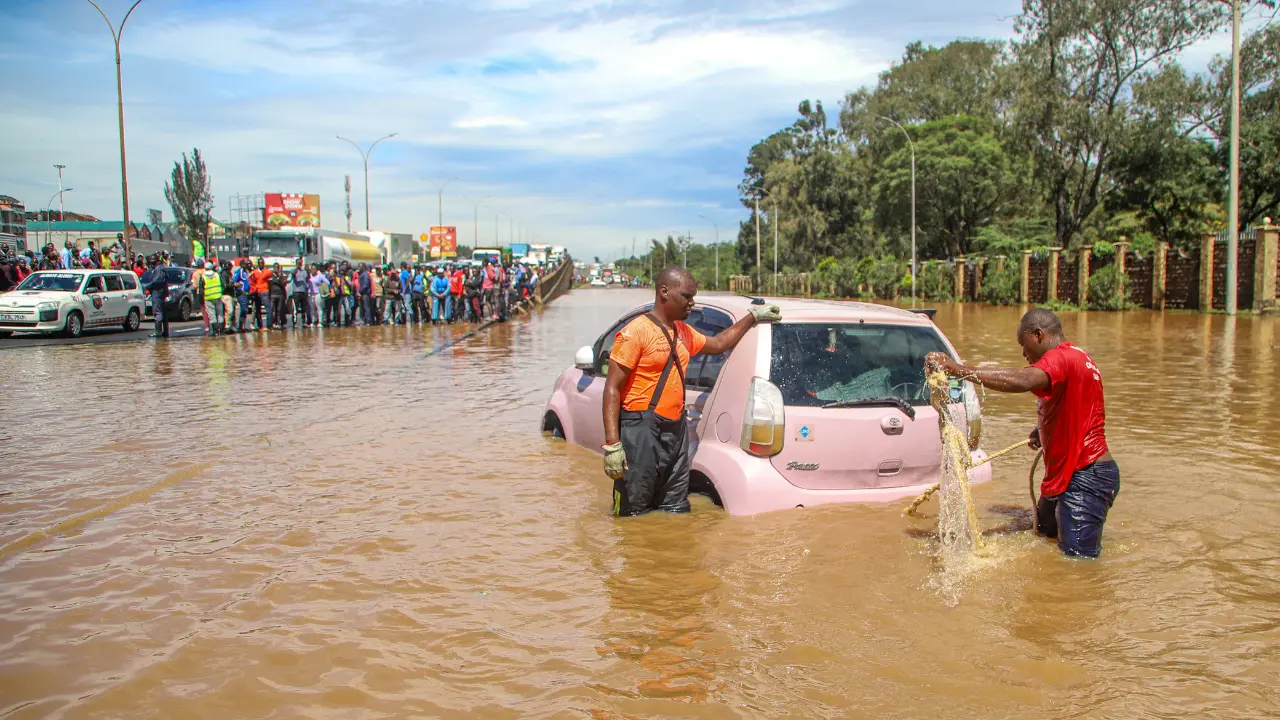
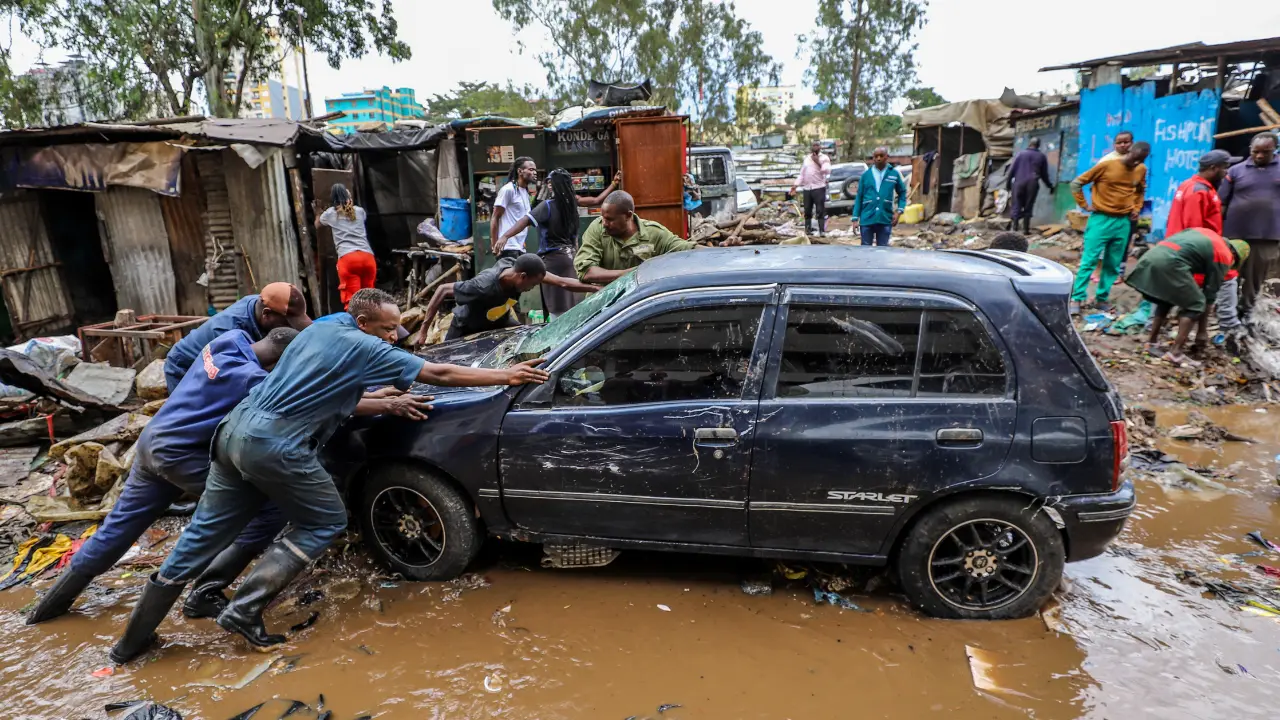
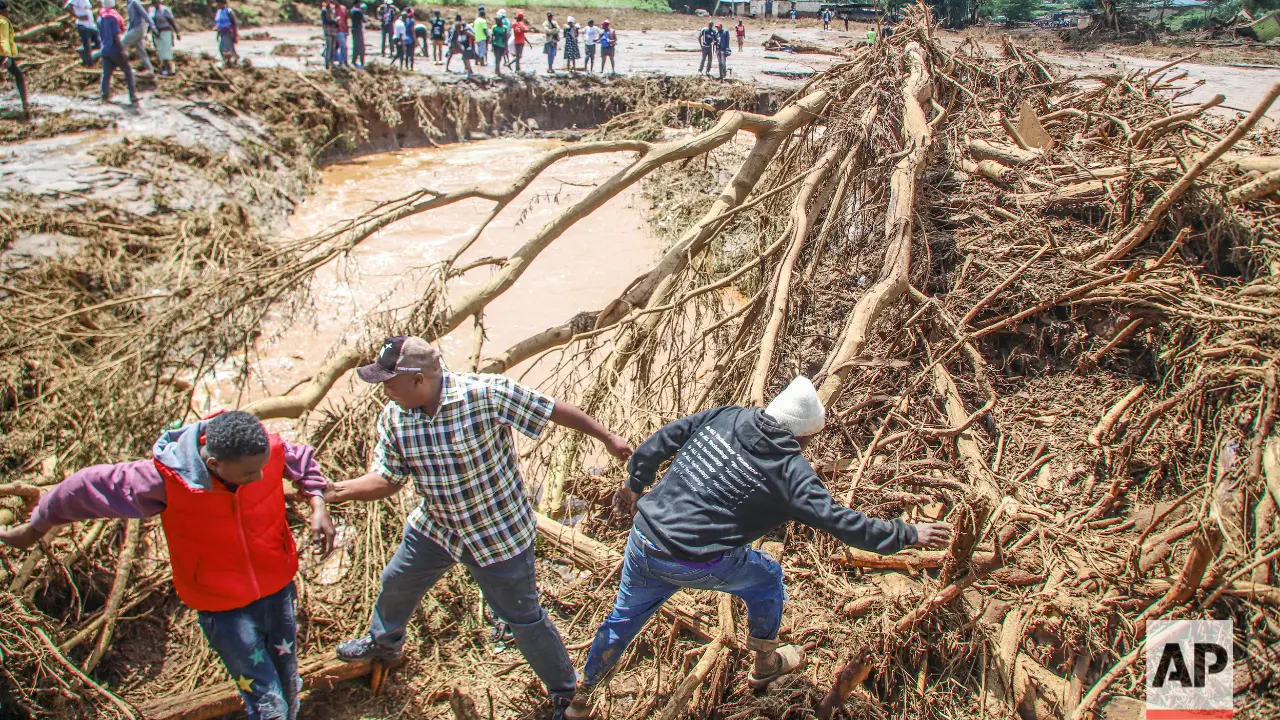
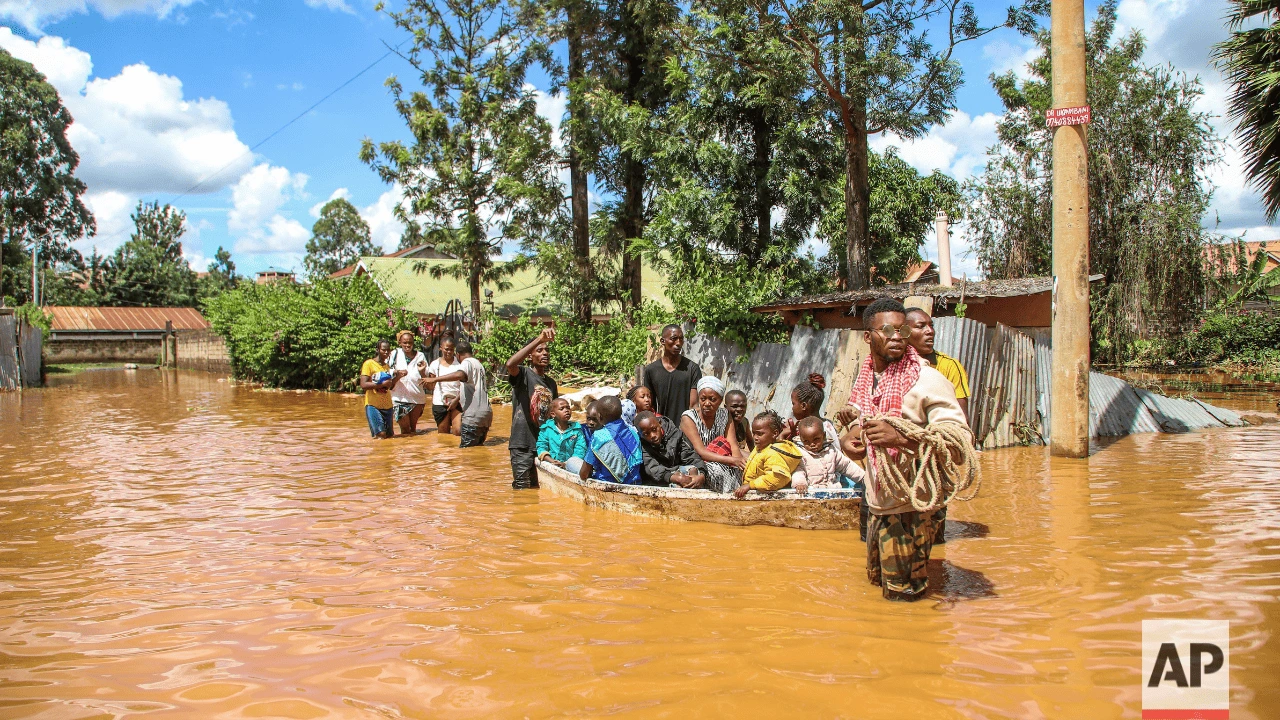
This ongoing photojournalism project documents the human impact of the 2026 El Niño floods in Kenya: homes under water, roads and bridges cut off, families displaced, and communities rebuilding. The photographs are made on the ground by me: A Nairobi-based photojournalist, Patrick Ngugi. [Select images were made on assignment for The Associated Press.]
Ps: This Project May Include Images on the subject Published on previous years. – Check Captions.

https://apnews.com/photo-gallery/kenya-drought-turkana-county-livestock-water-a48cb09a6f25354ea656c7da4335ec76Kenya’s weather service has forecast above-average rainfall across almost all counties in Kenya from October to December 2026, with risks including flash floods, landslides and cut-off roads. This page Pictorial and its service Links are updated as the rains and the floods unfolds


Rising Waters, Rising Resilience: On the Frontlines of the Kenyan Floods.

Where are El Niño floods hitting hardest in Kenya?
Kenya has been here before. The 2023/24 El Niño displaced over 500,000 people across 43 counties, according to the Kenya Red Cross. Floods hit hardest where drainage is poor and land is low: informal settlements, riverbank farmland, and steep slopes prone to landslides. Damage to crops, livestock, schools, health facilities, and roads can outlast the water by months.
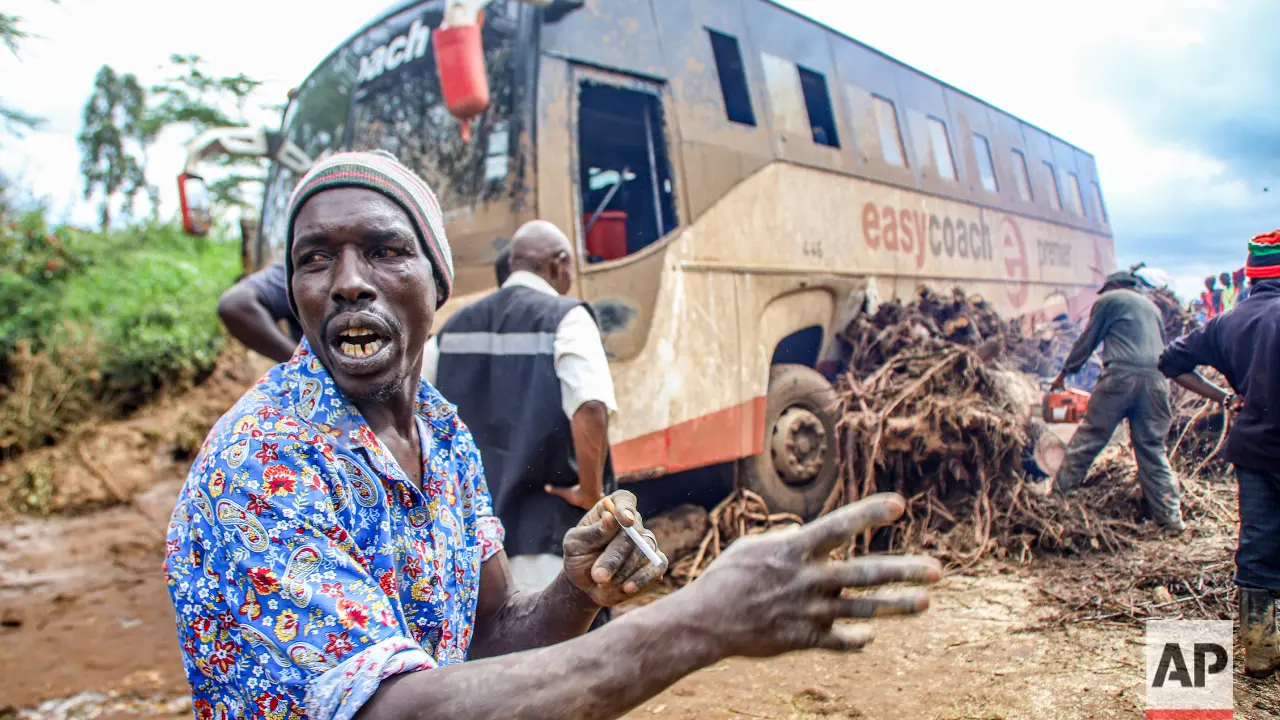
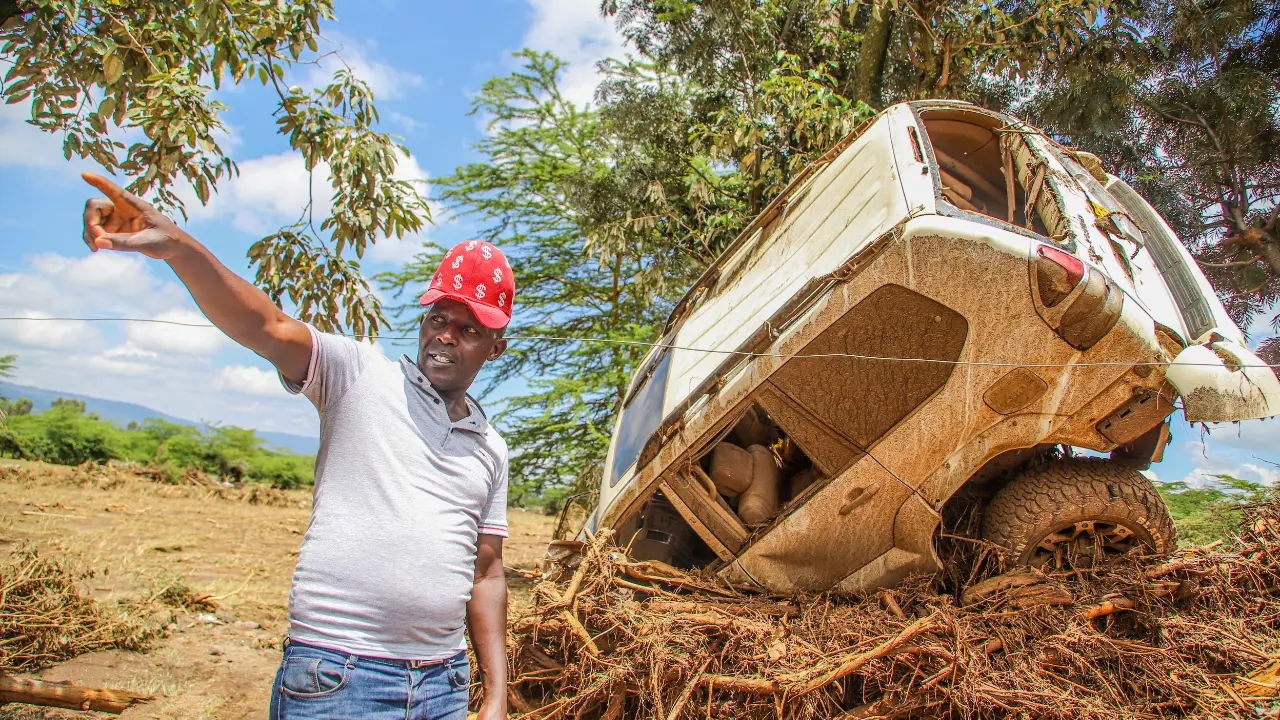
Same year, Mai-Mahiu flooding occurred, resulting in a catastrophic debris flow through Kamuchiri Village where around 60 people lost thneir llives. Before Elnino, I pass by to see how this people are doing, Onset of the much anticipated rains.
Earlier this year I documented drought in Turkana. El Niño brings the opposite extreme: too much water, too fast, often onto land already hardened by drought. The connection between the two becomes personal in the stories of families like the Lokuru family in Turkana and the Wambui, a single mother living in Mathare, who faced both crises within months. In Turkana, the Lokuru family—having barely survived the loss of their livestock to drought—were forced to wade through knee-deep water carrying their remaining possessions to reach higher ground. Hundreds of kilometers away in Mathare, after flash floods swept away everything they owned, the Wambui Family camped outside under makeshift plastic sheets for three weeks with their young children. Yet, in both Turkana and Mathare, even after the waters took their homes and belongings, both families immediately set to work helping neighbors rebuild, showing a steady, quiet resilience in the face of back-to-back extremes.
You can always license these photos or commision a coverage. This project is available for editorial licensing (AP-assigned images through AP; other images directly), NGO communications and institutional storytelling. If you are a newsroom, humanitarian organization, research institution or advocacy group covering flood response, climate adaptation, food security or disaster preparedness in Kenya, these visuals can support your reporting, campaigns, donor briefs and impact reports. High-resolution files, extended captions and field notes are available on request.
I’m open to partnerships with NGOs, foundations and media houses documenting climate impacts with depth and credibility, from a short visual report to long-term documentation of response and recovery. For licensing, commissions or collaboration, contact me.
Kenya El Niño floods: common questions
When will El Niño floods hit Kenya? Kenya Met Department expects the rains to continue in the west and begin in the second and third week of October in other regions. Flooding depends on where heavy rain coincides with poor drainage, saturated ground or steep terrain.
Which parts of Kenya are most at risk? Kenya Met’s forecast shows above-average rainfall in more than 40 counties, including Nairobi, Kiambu, Nakuru, Mombasa, Kisumu, Kakamega, Meru, Machakos, Garissa, Wajir and Mandera. We however have obvious flood zones including Budalangi, Tana River Zone and Garissa Area
Can I license these photographs? Yes. Contact me to discuss the options.
Are you available for assignments during the El Niño season? Yes I am. It’s a Busy season and may be on the field over prolonged period of time. Contact me to discuss this.
Turkana Drought 2026 | AP Photographer Patrick Ngugi
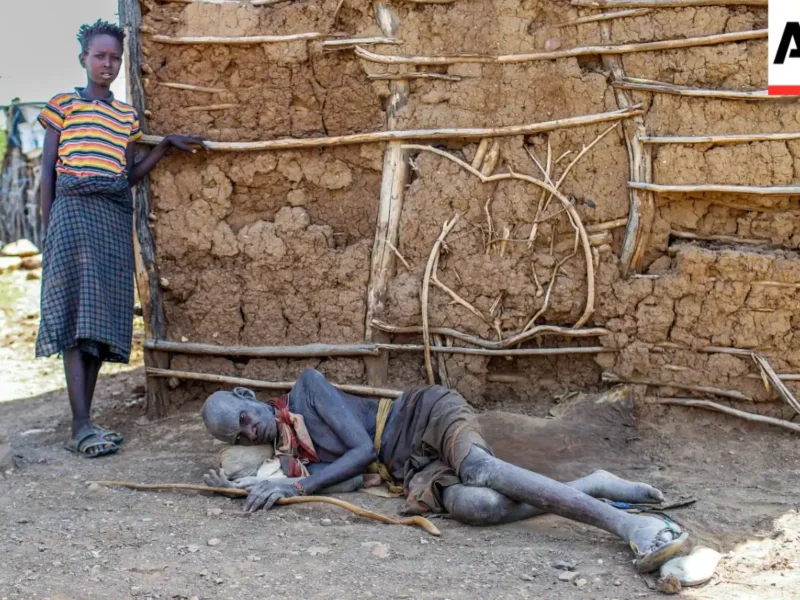
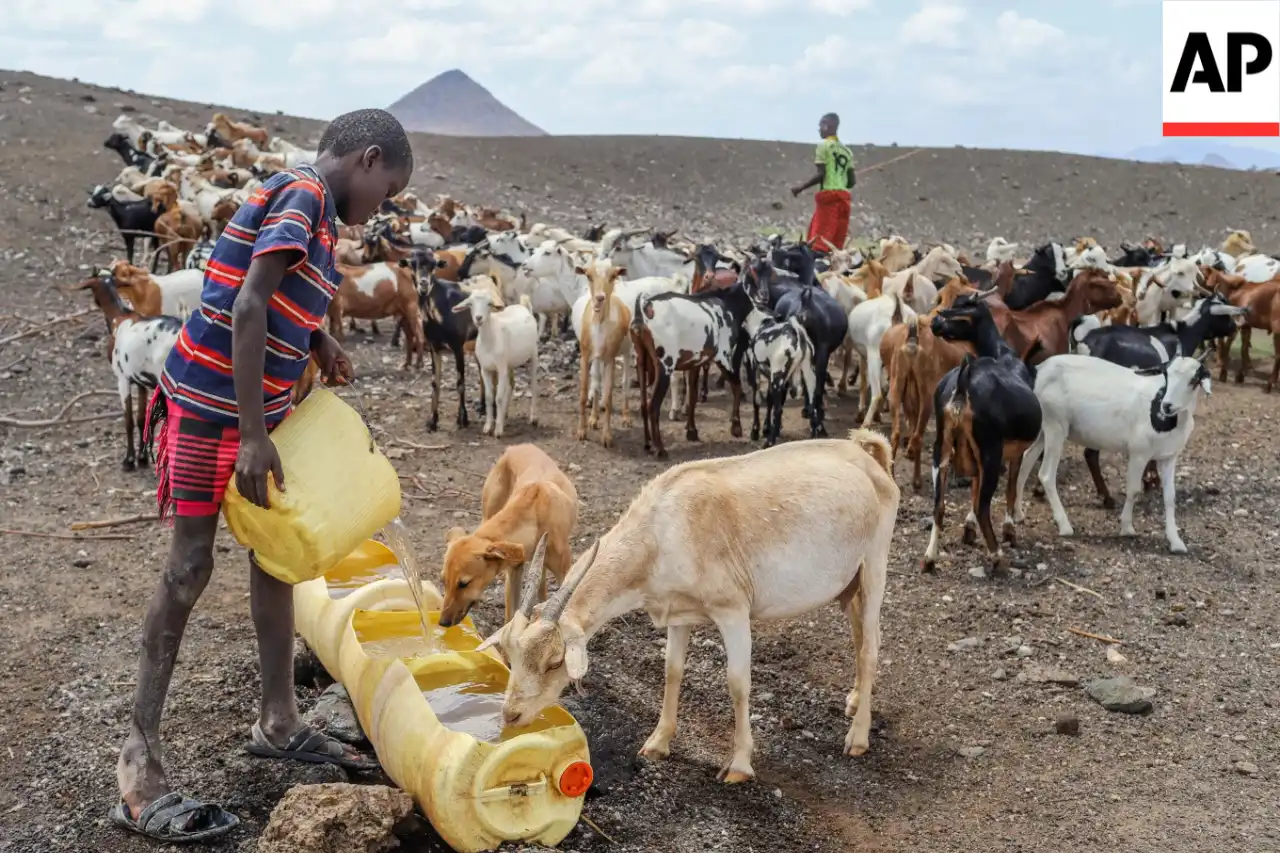
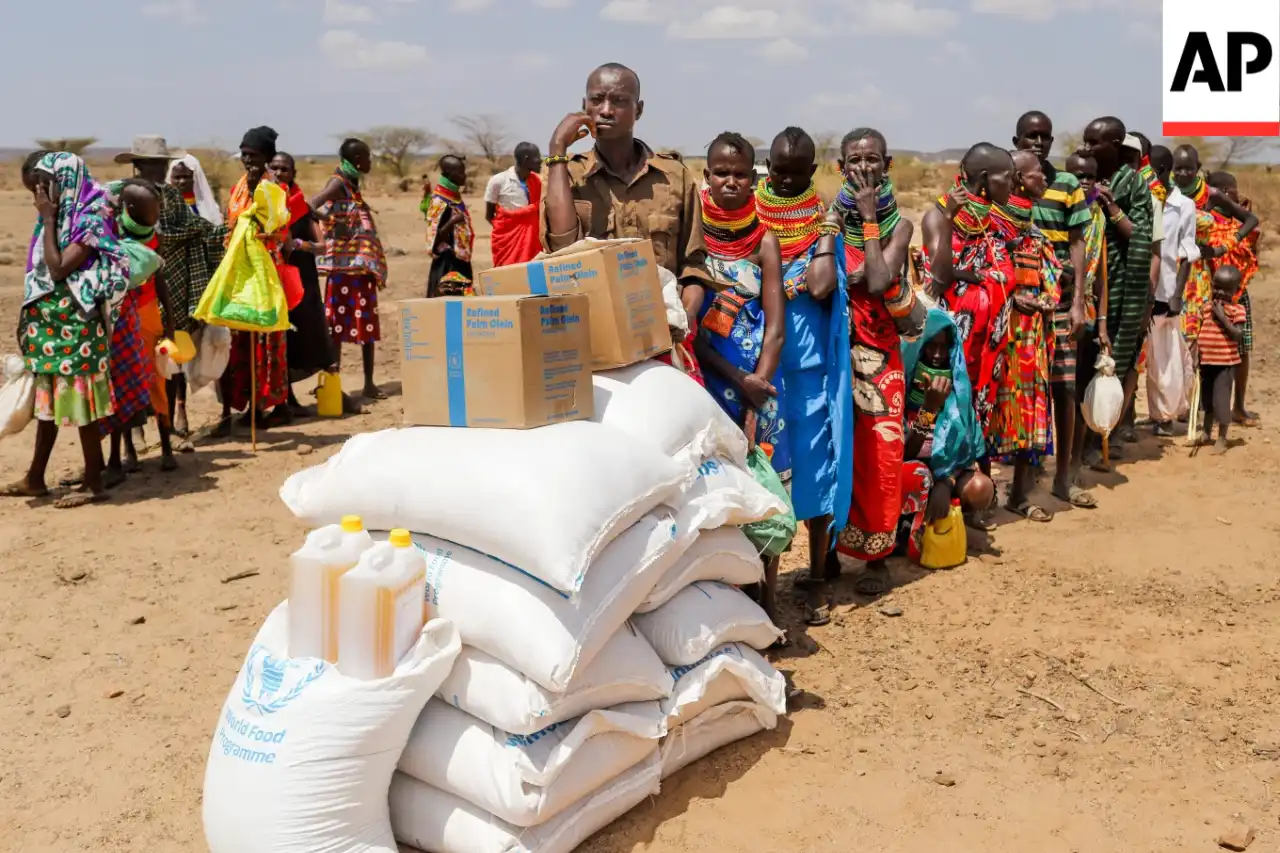
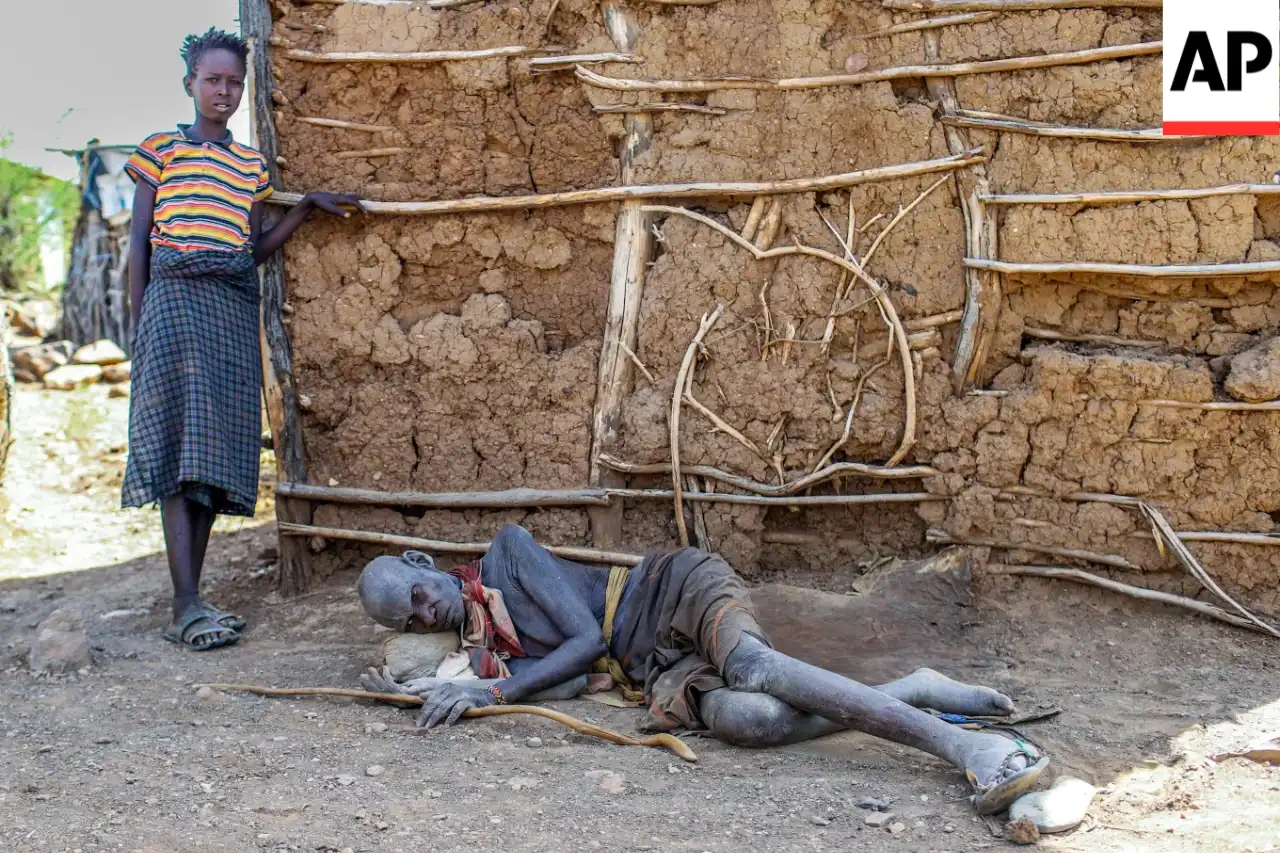
Turkana County in northern Kenya is experiencing one of the most severe droughts in recent history. Failed rains, livestock loss, and water scarcity are disrupting daily life for pastoralist communities.
Location – Turkana County, Kenya
Year – Feb 2026
Published – Associated Press(AP)
Category – Climate & Humanitarian Crisis
This photojournalism project documents the human and environmental impact of the drought, with images captured on the ground during 2026. This was curated On assighment for The Associated Press in Turkana, Kenya.
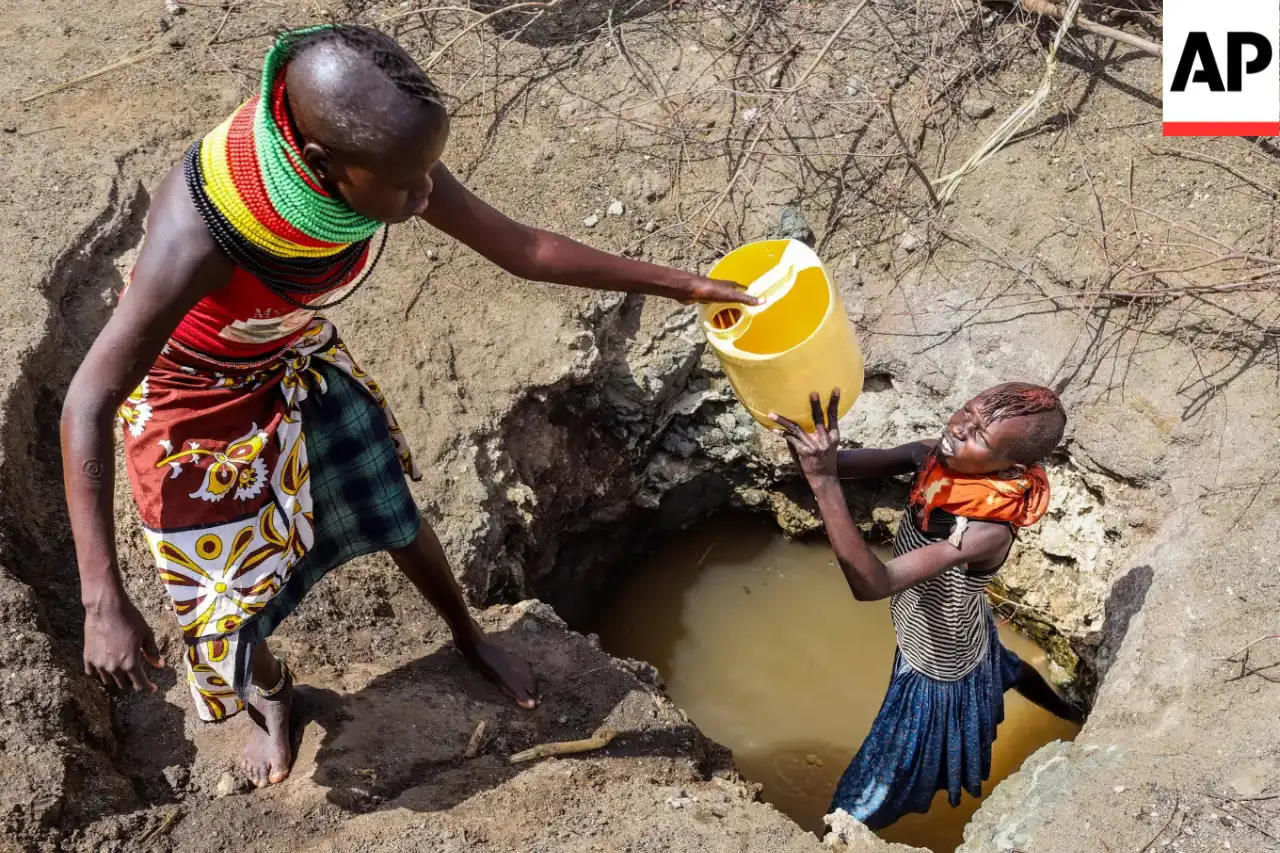
At dawn in Turkana County, the wind moves across a landscape that possesses no sign of life. Dry flatlands are mostly filled with Rocks. What was once grazing land has hardened into cracked earth, and the silence is broken only by the shuffle of weakened livestock. For many pastoralist families, the drought is no longer an abstract climate statistic but a daily negotiation with survival. Wells and Waterpans have dried, rivers have retreated into memory, and the search for water begins before the sun rises. Walking for Kilometers with wishes of access to this precious commodity.


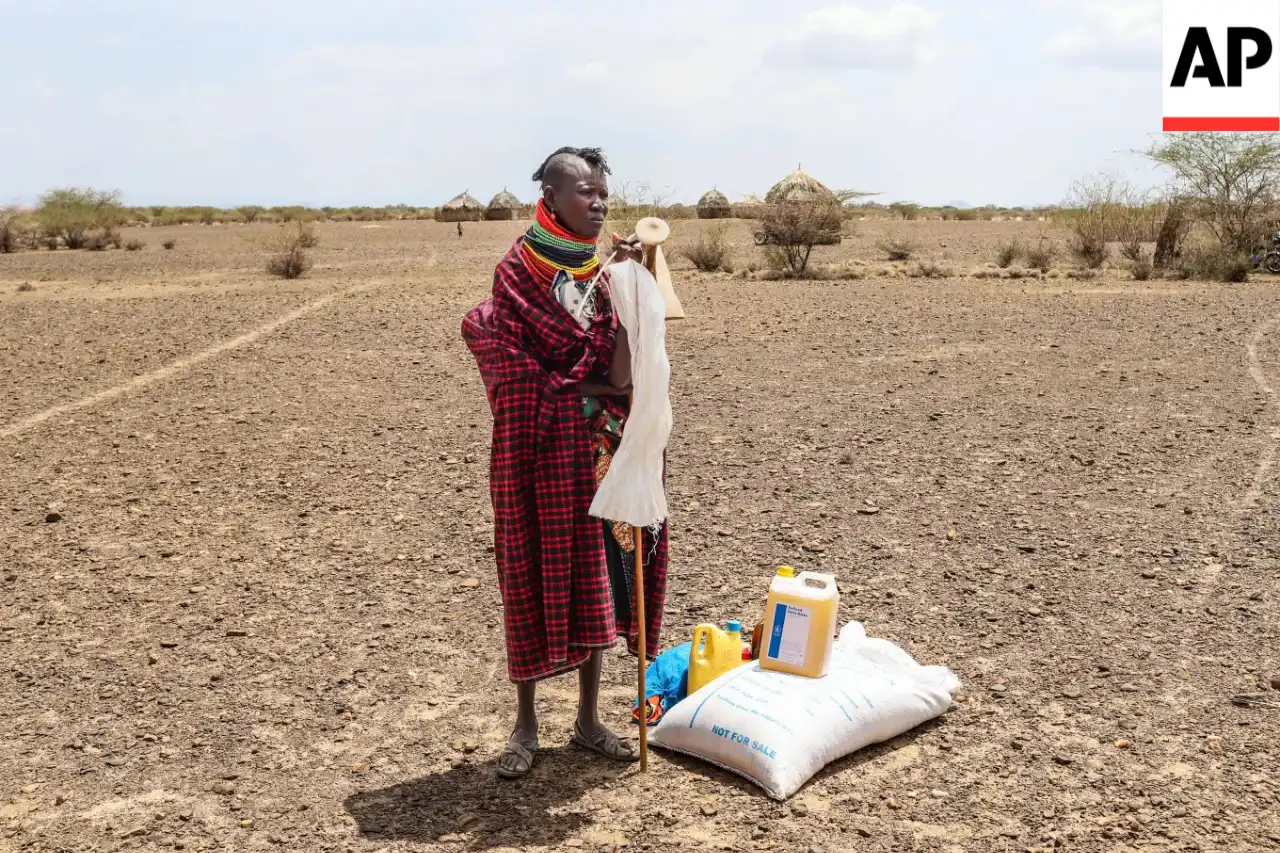
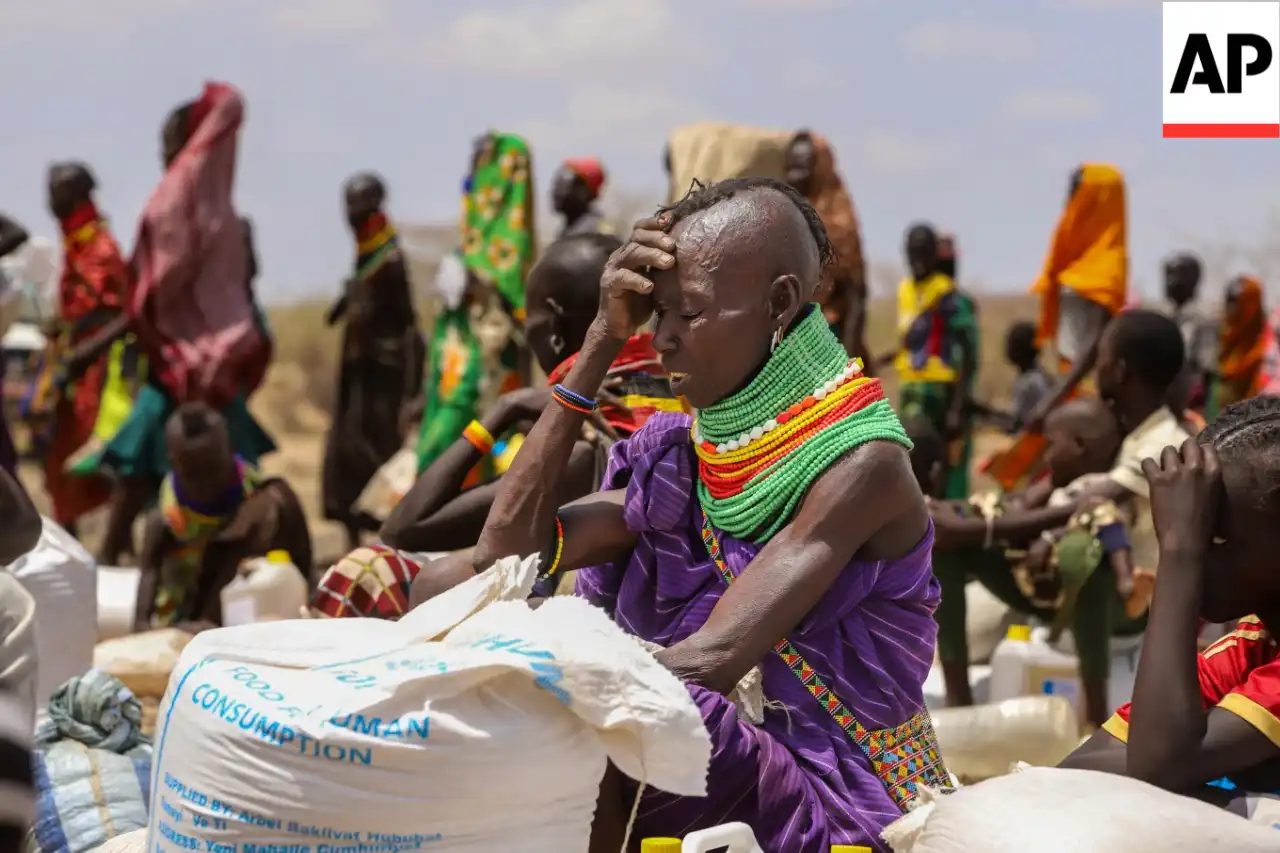
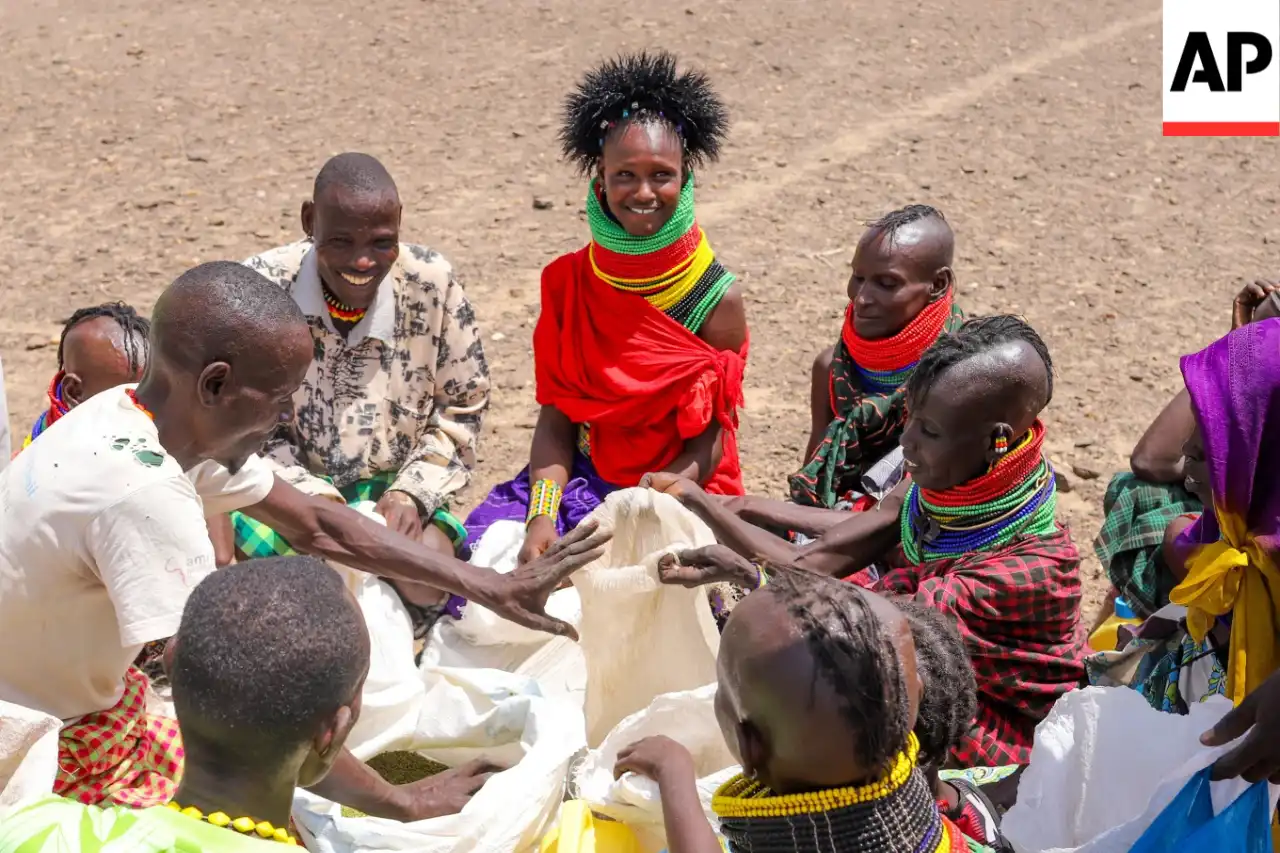
In the Village of Keris, Turkana North, Kenya, a mother measures the remaining maize flour with deliberate care, stretching each portion to last another day. Her children sit quietly in the shade of a temporary shelter, their routines shaped not by school bells but by the uncertainty of the next meal. Livestock losses — once a buffer against hardship — have stripped families of both income and cultural identity, compounding the crisis beyond immediate hunger.
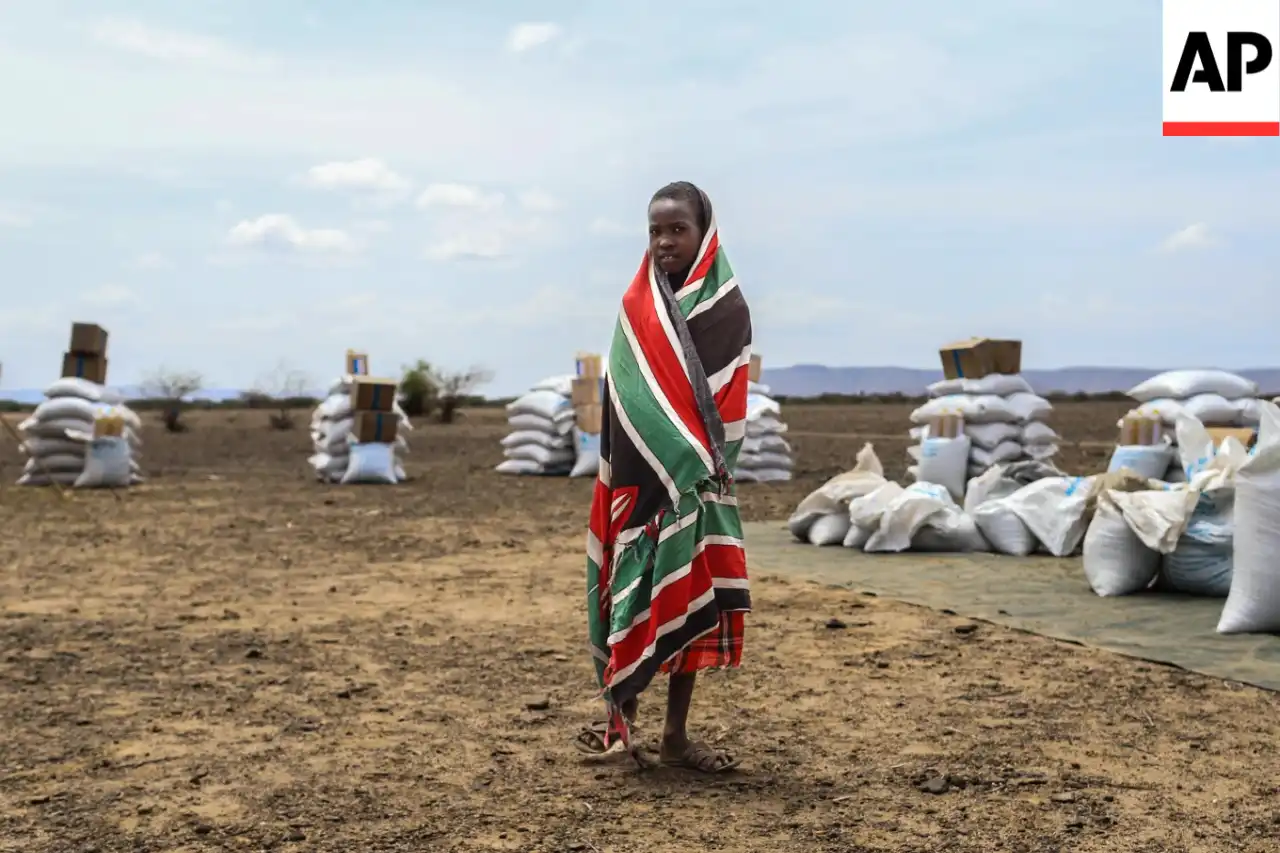
Northern Kenya has faced repeated failed rainy seasons, intensifying food insecurity across arid and semi-arid regions. Humanitarian agencies, including World Vision Kenya, report millions at risk, with Turkana among the hardest hit counties. Boreholes- If ever existed – are strained migration patterns are shifting, and local authorities struggle to respond as needs outpace available resources. The drought is not sudden; it is cumulative, built season after season of insufficient rain.
Yet amid the stark conditions, resilience persists. Communities share water, aid workers navigate long distances to reach remote settlements, and families continue tending the few animals that remain.
The weak animals are left at home, while the rest treck for Miles to the remaining water sources.

Documenting these realities is not only about capturing hardship but about bearing witness to a climate crisis unfolding in real time — one that links remote villages in Turkana to broader global conversations about vulnerability, adaptation, and responsibility.
This project is available for editorial licensing(through AP), NGO communications, and institutional storytelling. If you are a newsroom, humanitarian organization, research institution, or advocacy group working on drought resilience, climate adaptation, food security, or water access in Northern Kenya, these visuals can support your reporting, campaigns, donor briefs, and impact documentation. High-resolution files, extended captions, and field notes are available upon request. Assignments and embedded coverage can also be commissioned for ongoing climate-related operations.
I am open to partnerships with NGOs, foundations, and media houses seeking to document climate impacts with depth and credibility. Whether you require a short visual report, a multimedia package, or long-term documentation of resilience initiatives, this work can be adapted to meet your communication objectives. For licensing inquiries, commissions, or collaborative projects, please get in touch directly via email or phone to discuss scope, timelines, and usage terms.
Mobile Application Landing Page Design.
Through a wide variety of mobile applications, we’ve developed a unique visual system and strategy that can be applied across the spectrum of available applications.
Strategy
A strategy is a general plan to achieve one or more long-term.
- The Design Approach
- Project Challenge
- The Solution
Design
UI/UX Design, Art Direction, A design is a plan or specification for art.
- Project Challenge
- The Design Approach
- The Solution
Client
Lorem ipsum dolor sit amet, consectetur adipiscing elit, sed do eiusmod tempor incididunt ut labore et dolore magna aliqua. Quis ipsum suspendisse ultrices gravida. Risus commod viverra maecenas accumsan lacus vel facilisis. ut labore et dolore magna aliqua.
There are always some stocks, which illusively scale lofty heights in a given time period. However, the good show doesn’t last for these overblown toxic stocks as their current price is not justified by their fundamental strength.
Toxic companies are usually characterized by huge debt loads and are vulnerable to external shocks. Accurately identifying such bloated stocks and getting rid of them at the right time can protect your portfolio.


Overpricing of these toxic stocks can be attributed to either an irrational enthusiasm surrounding them or some serious fundamental drawbacks. If you own such bubble stocks for an inordinate period of time, you are bound to see a massive erosion of wealth.
However, if you can precisely spot such toxic stocks, you may gain by resorting to an investing strategy called short selling. This strategy allows one to sell a stock first and then buy it when the price falls.
While short selling excels in bear markets, it typically loses money in bull markets.
So, just like identifying stocks with growth potential, pinpointing toxic stocks and offloading them at the right time is crucial to guard one’s portfolio from big losses or make profits by short selling them. Heska Corporation HSKA, Tandem Diabetes Care, Inc. TNDM, Credit Suisse Group CS,Zalando SE ZLNDY and Las Vegas Sands LVS are a few such toxic stocks.Screening Criteria
Here is a winning strategy that will help you to identify overhyped toxic stocks:

Most recent Debt/Equity Ratio greater than the median industry average: High debt/equity ratio implies high leverage. High leverage indicates a huge level of repayment that the company has to make in connection with the debt amount.
Workout Website Design And Development.
Through a wide variety of mobile applications, we’ve developed a unique visual system and strategy that can be applied across the spectrum of available applications.
Strategy
A strategy is a general plan to achieve one or more long-term.
- The Design Approach
- Project Challenge
- The Solution
Design
UI/UX Design, Art Direction, A design is a plan or specification for art.
- Project Challenge
- The Design Approach
- The Solution
Client
Lorem ipsum dolor sit amet, consectetur adipiscing elit, sed do eiusmod tempor incididunt ut labore et dolore magna aliqua. Quis ipsum suspendisse ultrices gravida. Risus commod viverra maecenas accumsan lacus vel facilisis. ut labore et dolore magna aliqua.


There are always some stocks, which illusively scale lofty heights in a given time period. However, the good show doesn’t last for these overblown toxic stocks as their current price is not justified by their fundamental strength.
Toxic companies are usually characterized by huge debt loads and are vulnerable to external shocks. Accurately identifying such bloated stocks and getting rid of them at the right time can protect your portfolio.
Overpricing of these toxic stocks can be attributed to either an irrational enthusiasm surrounding them or some serious fundamental drawbacks. If you own such bubble stocks for an inordinate period of time, you are bound to see a massive erosion of wealth.
However, if you can precisely spot such toxic stocks, you may gain by resorting to an investing strategy called short selling. This strategy allows one to sell a stock first and then buy it when the price falls.
While short selling excels in bear markets, it typically loses money in bull markets.
So, just like identifying stocks with growth potential, pinpointing toxic stocks and offloading them at the right time is crucial to guard one’s portfolio from big losses or make profits by short selling them. Heska Corporation HSKA, Tandem Diabetes Care, Inc. TNDM, Credit Suisse Group CS,Zalando SE ZLNDY and Las Vegas Sands LVS are a few such toxic stocks.Screening Criteria
Here is a winning strategy that will help you to identify overhyped toxic stocks:

Most recent Debt/Equity Ratio greater than the median industry average: High debt/equity ratio implies high leverage. High leverage indicates a huge level of repayment that the company has to make in connection with the debt amount.