


Kenya El Niño Floods 2026 | AP Photographer Patrick Ngugi
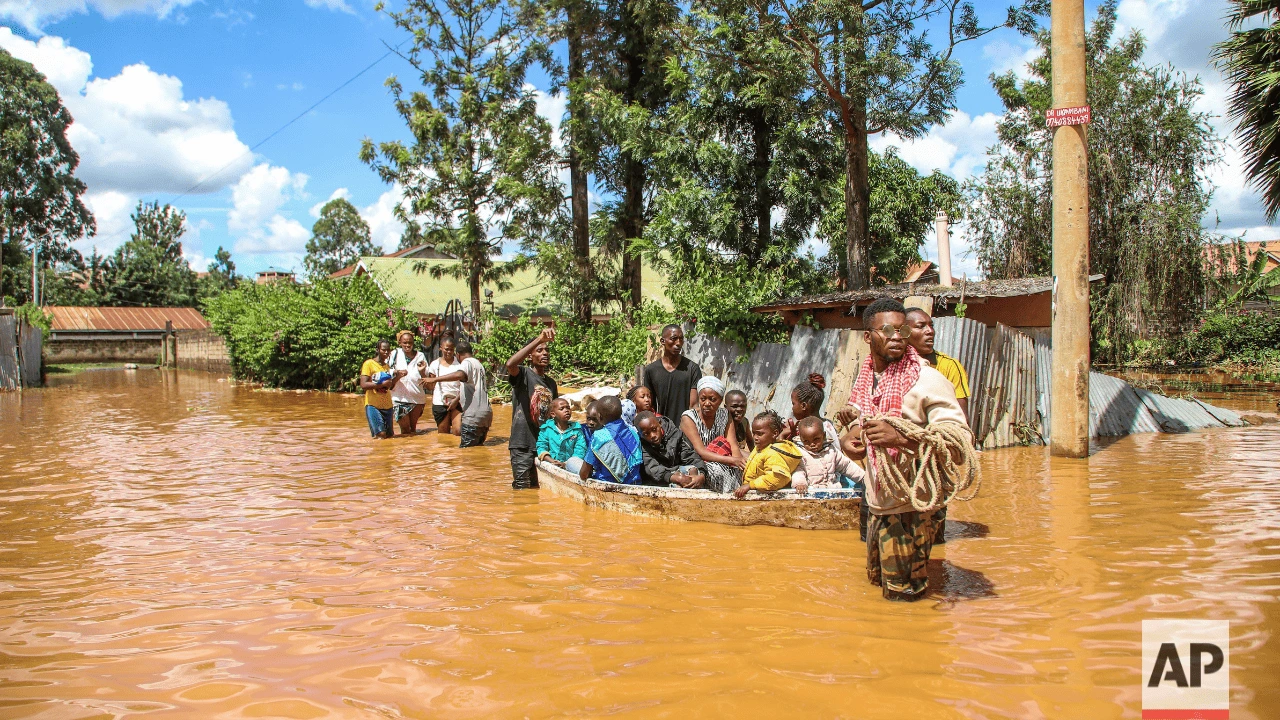
https://apnews.com/photo-gallery/kenya-drought-turkana-county-livestock-water-a48cb09a6f25354ea656c7da4335ec76Kenya’s weather service has forecast above-average rainfall across almost all counties in Kenya from October to December 2026, with risks including flash floods, landslides and cut-off roads. This page Pictorial and its service Links are updated as the rains and the floods unfolds
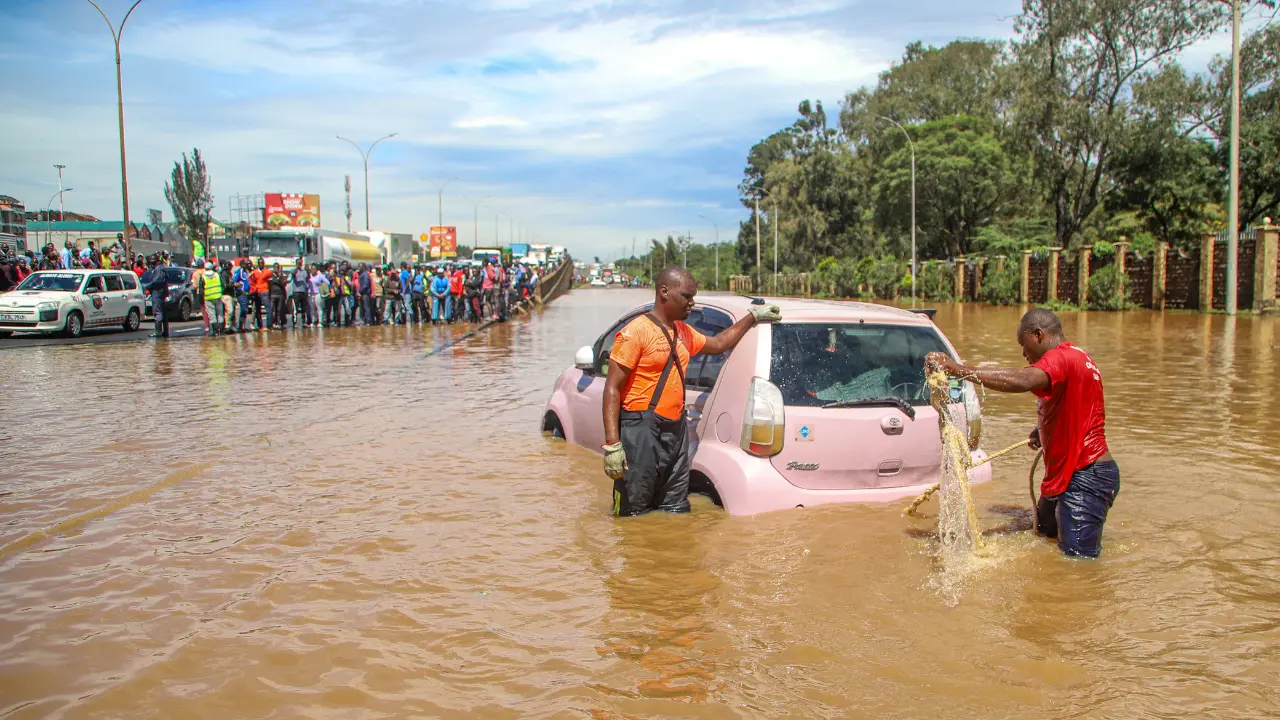
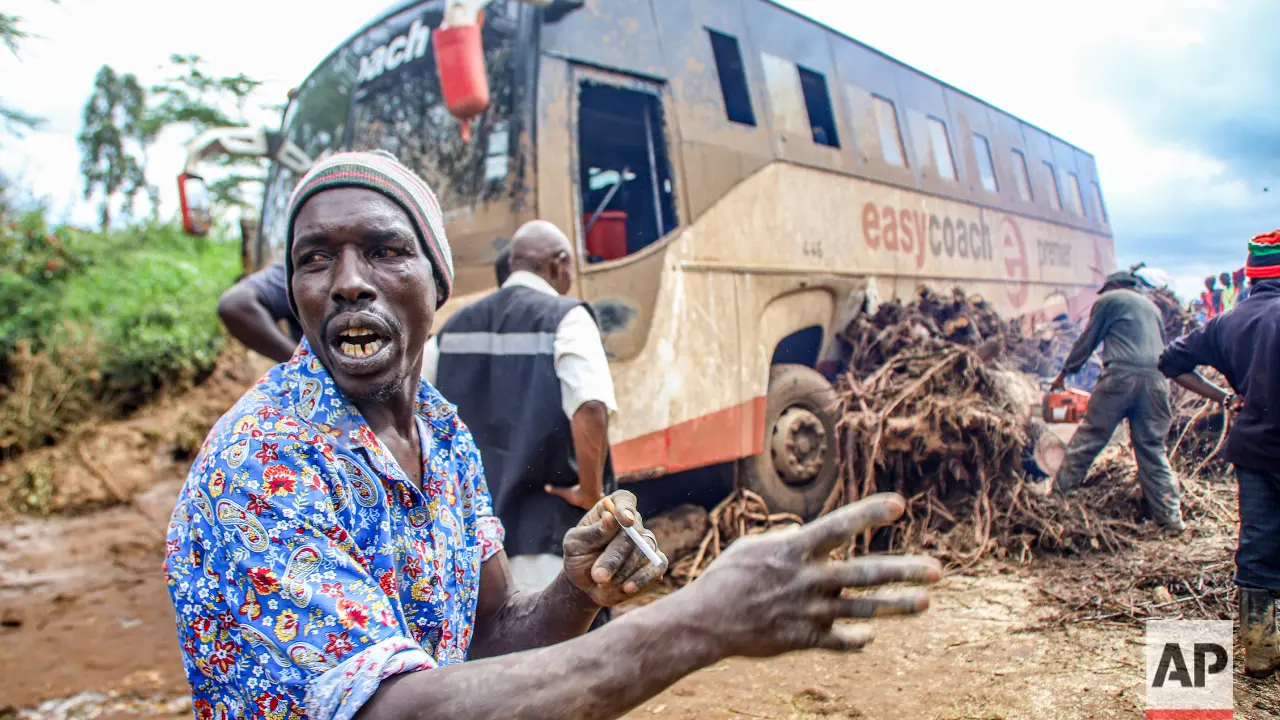
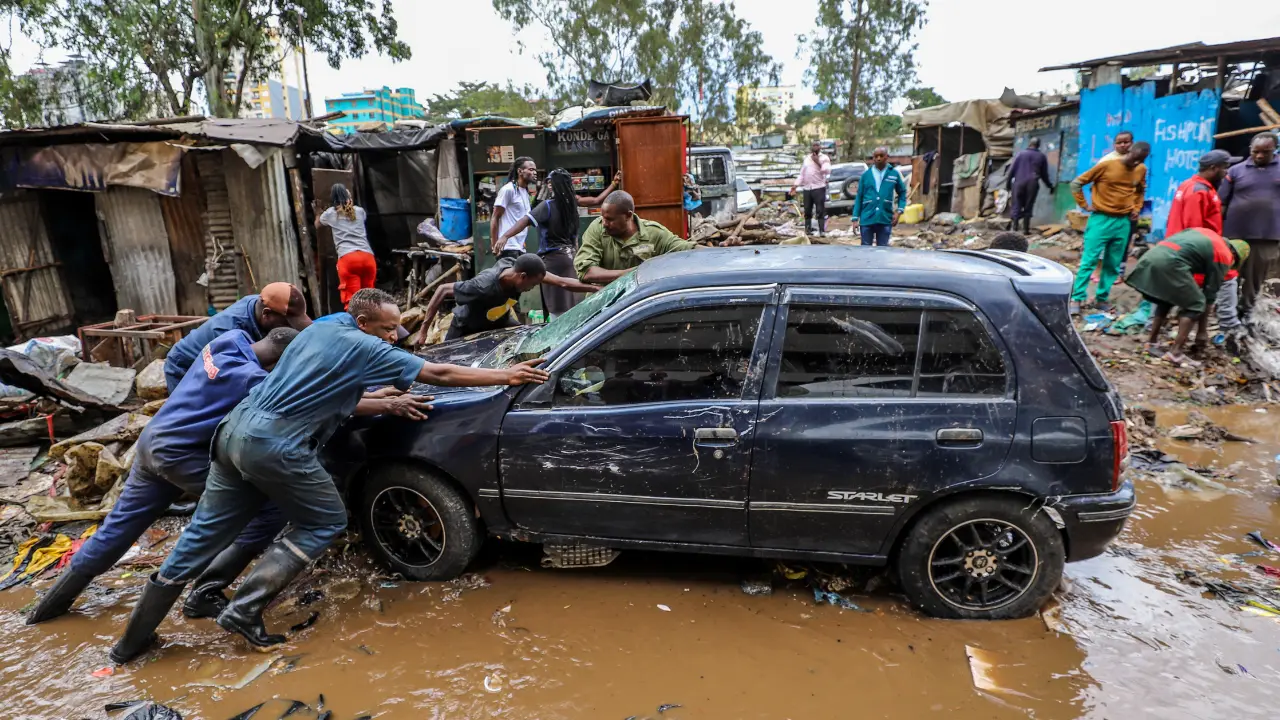
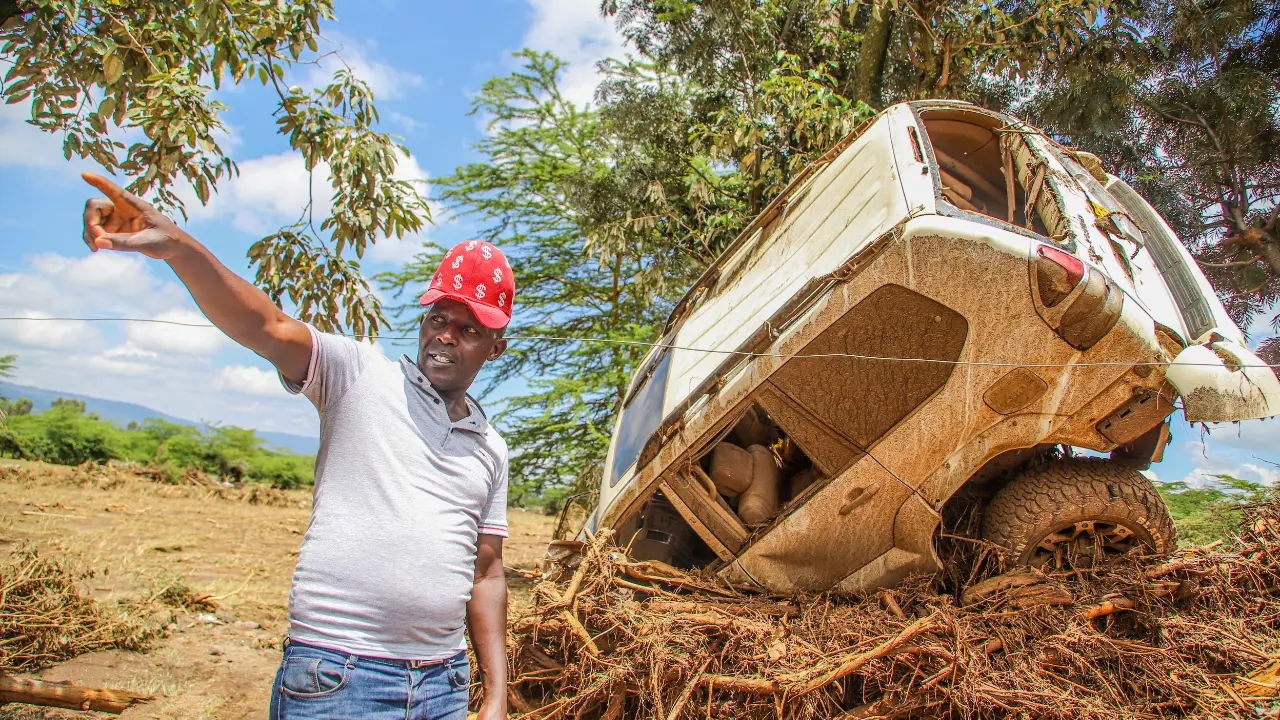
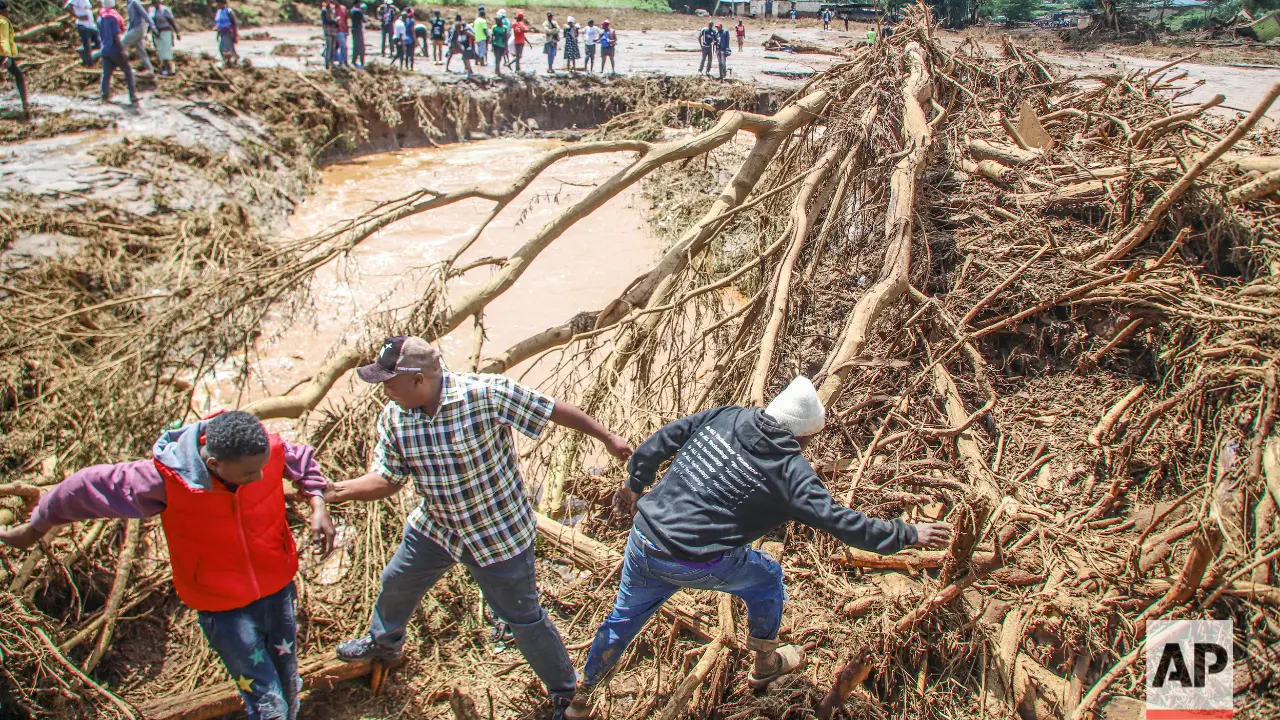
Rising Waters, Rising Resilience: On the Frontlines of the Kenyan Floods.
Where are El Niño floods hitting hardest in Kenya?
Kenya has been here before. The 2023/24 El Niño displaced over 500,000 people across 43 counties, according to the Kenya Red Cross. Floods hit hardest where drainage is poor and land is low: informal settlements, riverbank farmland, and steep slopes prone to landslides. Damage to crops, livestock, schools, health facilities, and roads can outlast the water by months.
Same year, Mai-Mahiu flooding occurred, resulting in a catastrophic debris flow through Kamuchiri Village where around 60 people lost thneir llives. Before Elnino, I pass by to see how this people are doing, Onset of the much anticipated rains.
Earlier this year I documented drought in Turkana. El Niño brings the opposite extreme: too much water, too fast, often onto land already hardened by drought. The connection between the two becomes personal in the stories of families like the Lokuru family in Turkana and the Wambui, a single mother living in Mathare, who faced both crises within months. In Turkana, the Lokuru family—having barely survived the loss of their livestock to drought—were forced to wade through knee-deep water carrying their remaining possessions to reach higher ground. Hundreds of kilometers away in Mathare, after flash floods swept away everything they owned, the Wambui Family camped outside under makeshift plastic sheets for three weeks with their young children. Yet, in both Turkana and Mathare, even after the waters took their homes and belongings, both families immediately set to work helping neighbors rebuild, showing a steady, quiet resilience in the face of back-to-back extremes.
You can always license these photos or commision a coverage. This project is available for editorial licensing (AP-assigned images through AP; other images directly), NGO communications and institutional storytelling. If you are a newsroom, humanitarian organization, research institution or advocacy group covering flood response, climate adaptation, food security or disaster preparedness in Kenya, these visuals can support your reporting, campaigns, donor briefs and impact reports. High-resolution files, extended captions and field notes are available on request.
I’m open to partnerships with NGOs, foundations and media houses documenting climate impacts with depth and credibility, from a short visual report to long-term documentation of response and recovery. For licensing, commissions or collaboration, contact me.