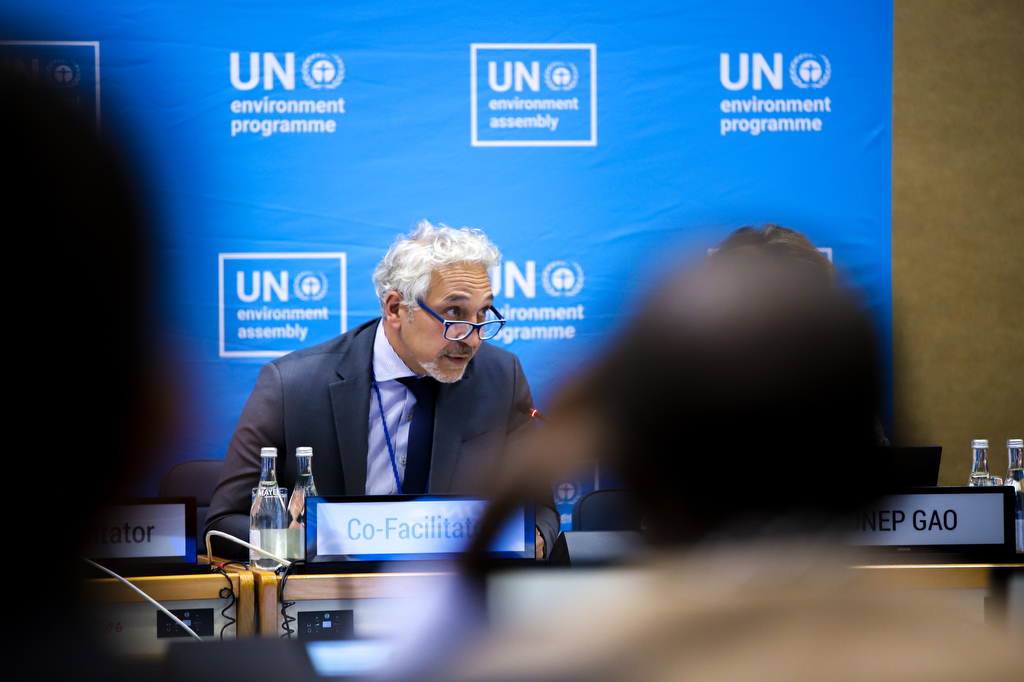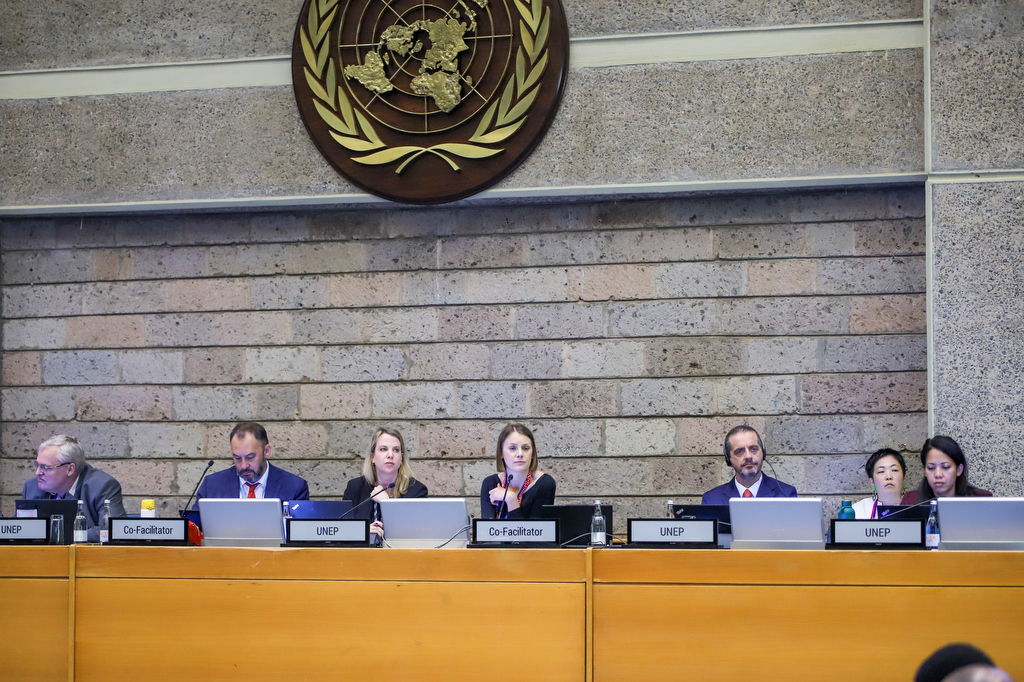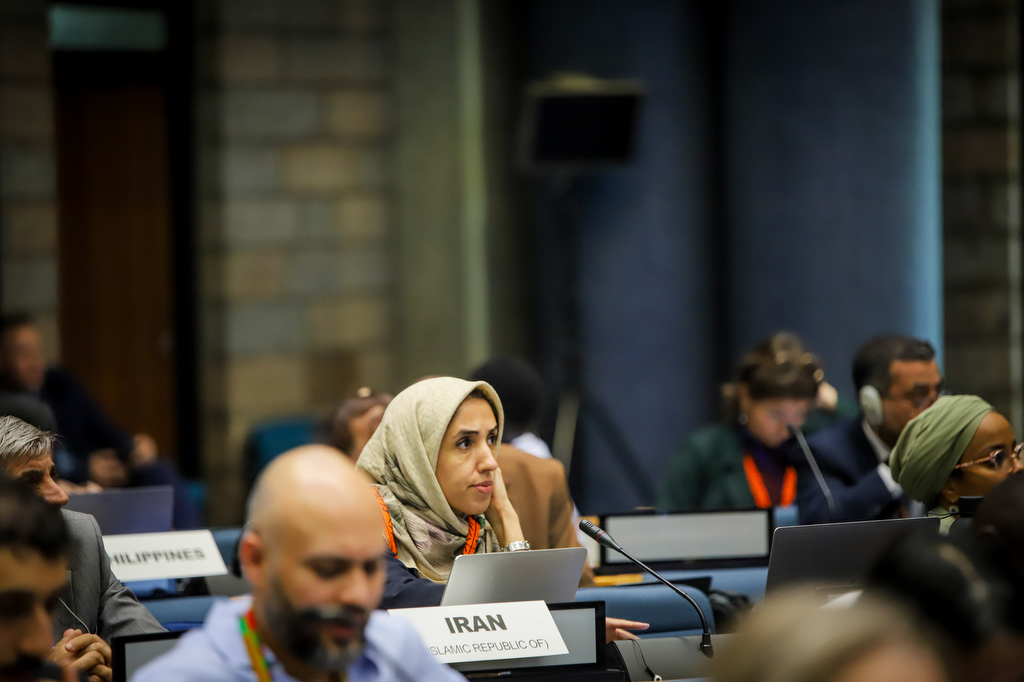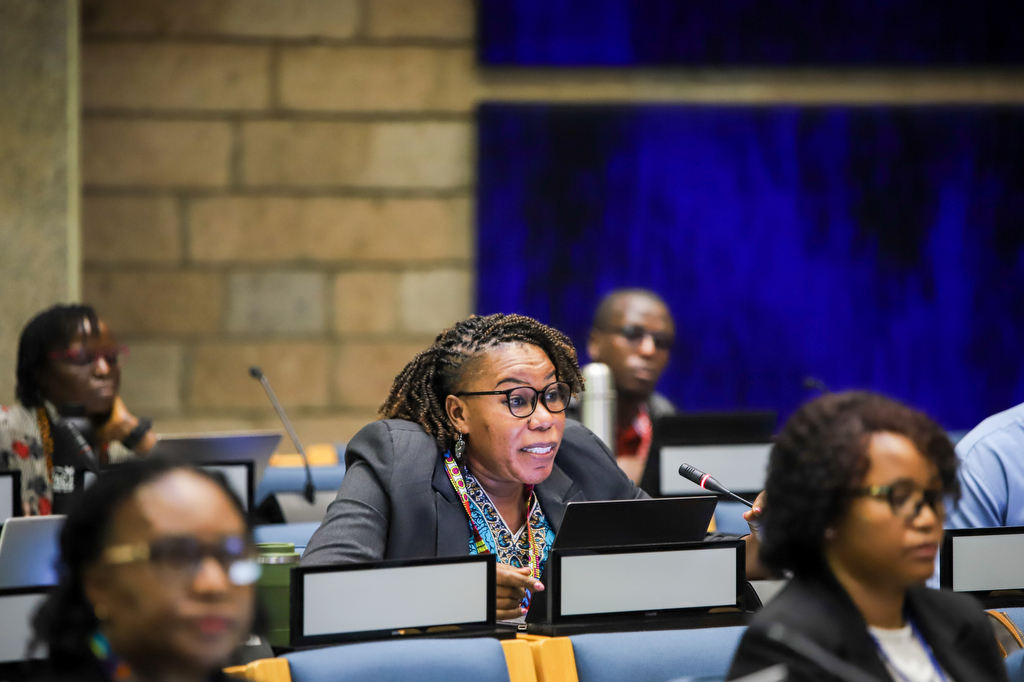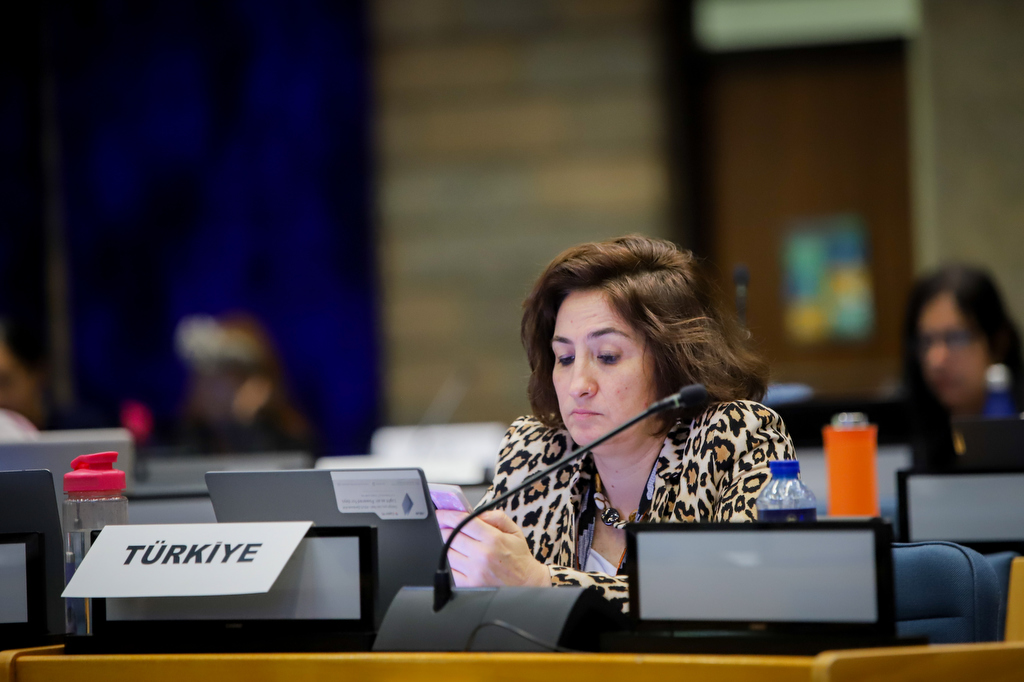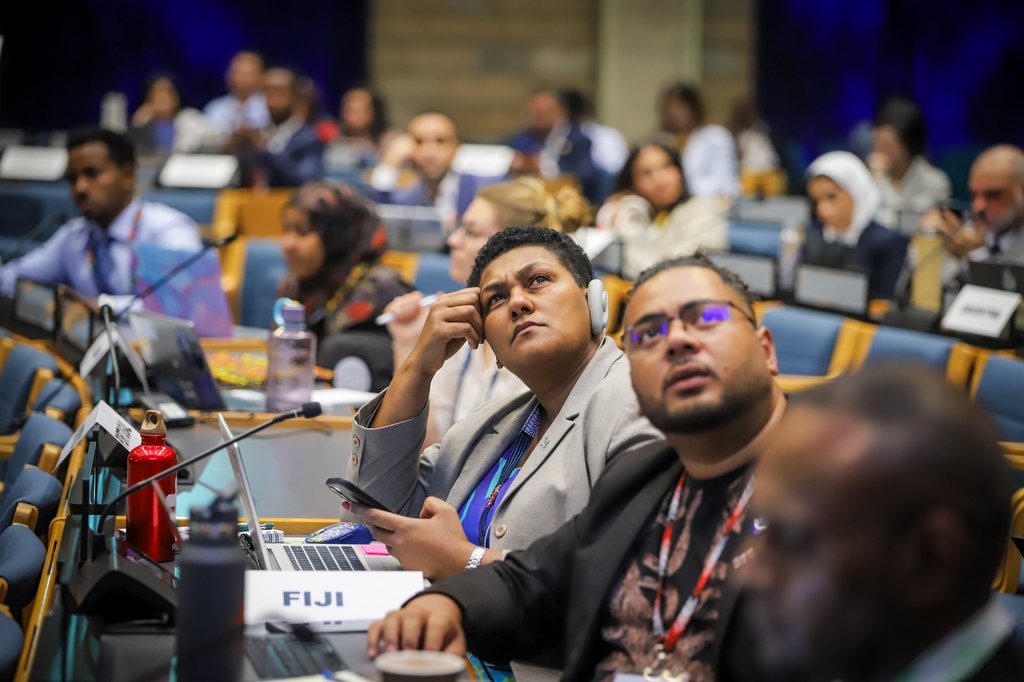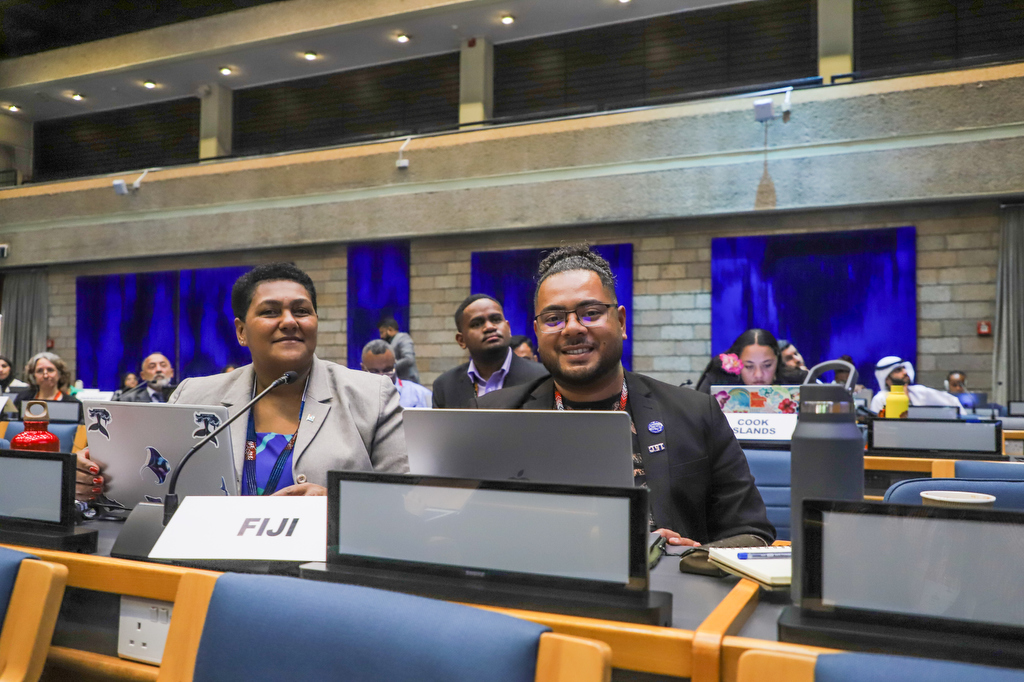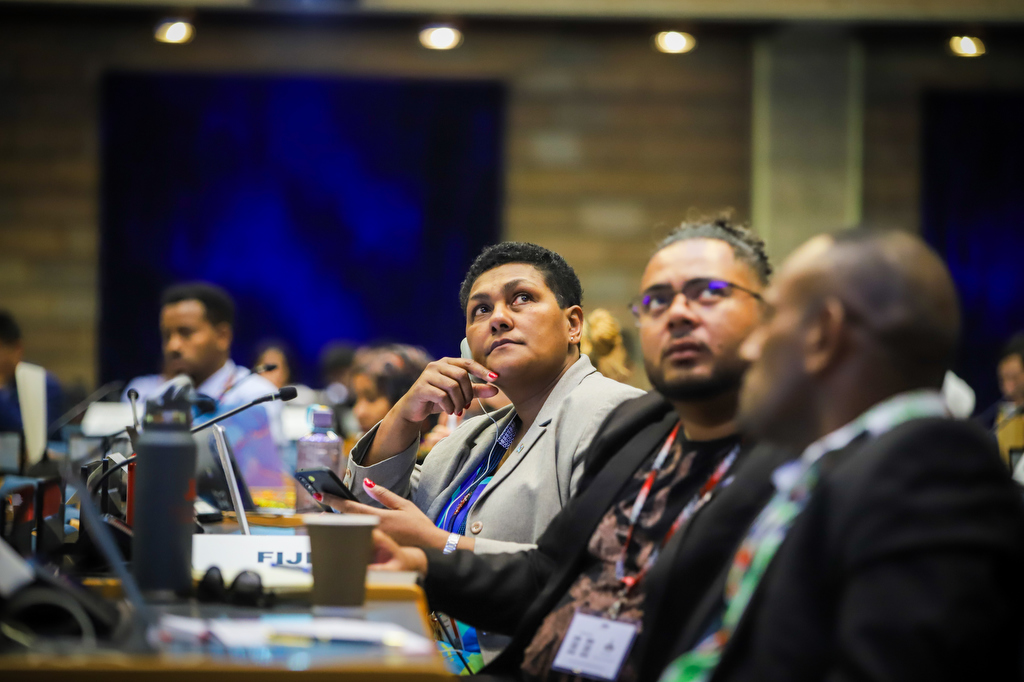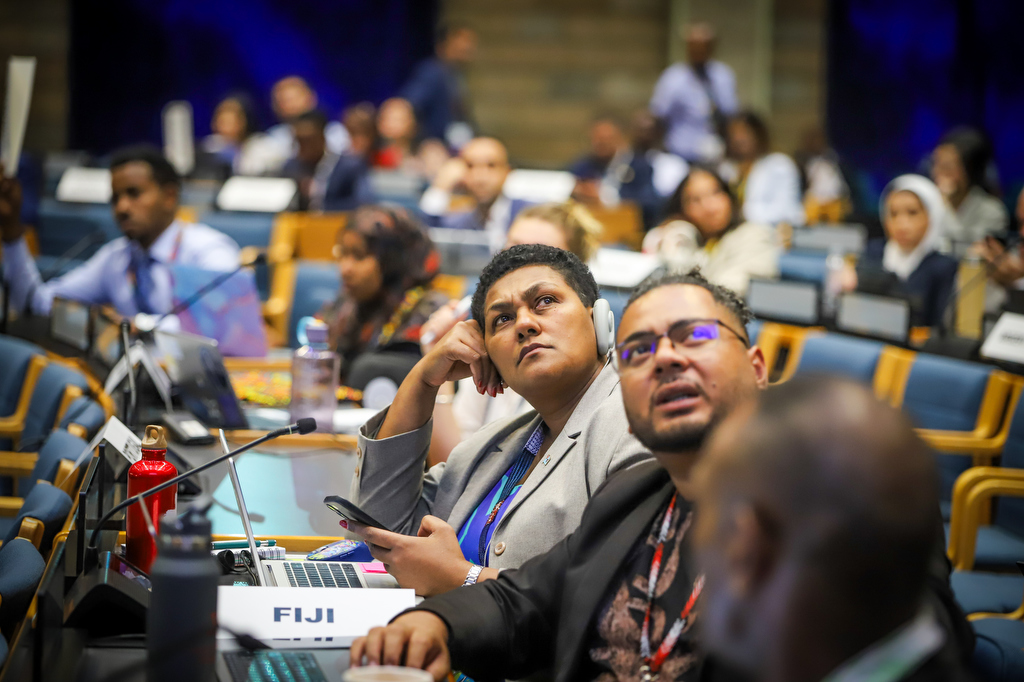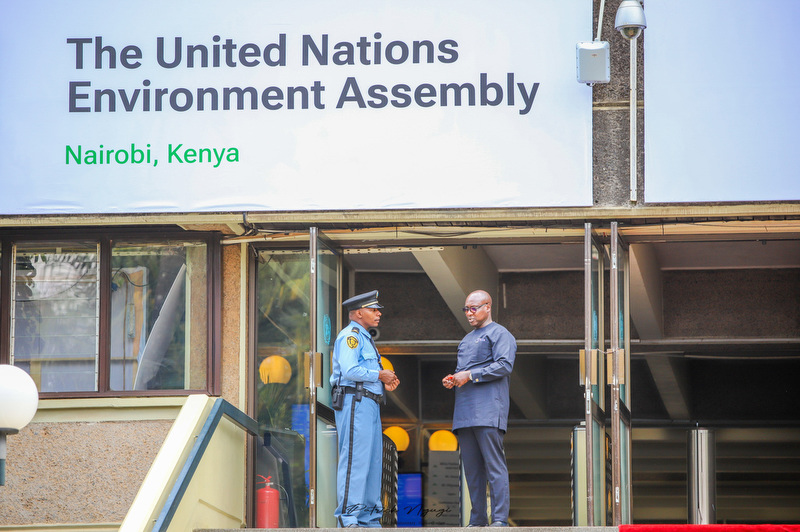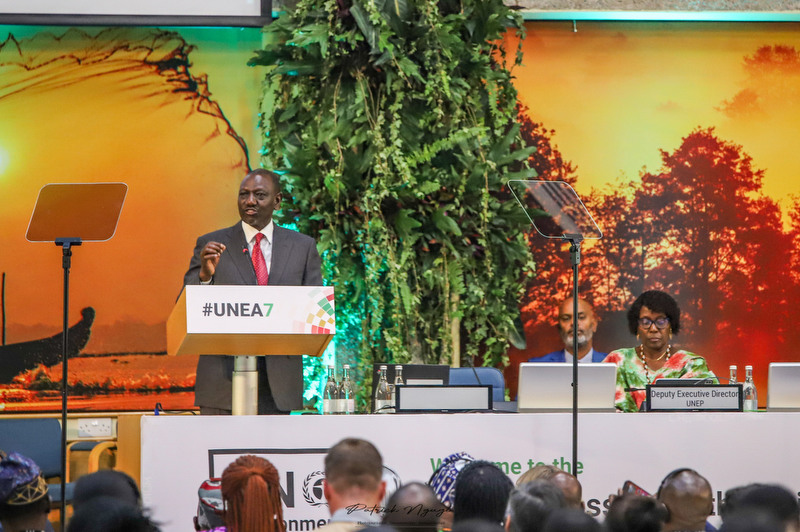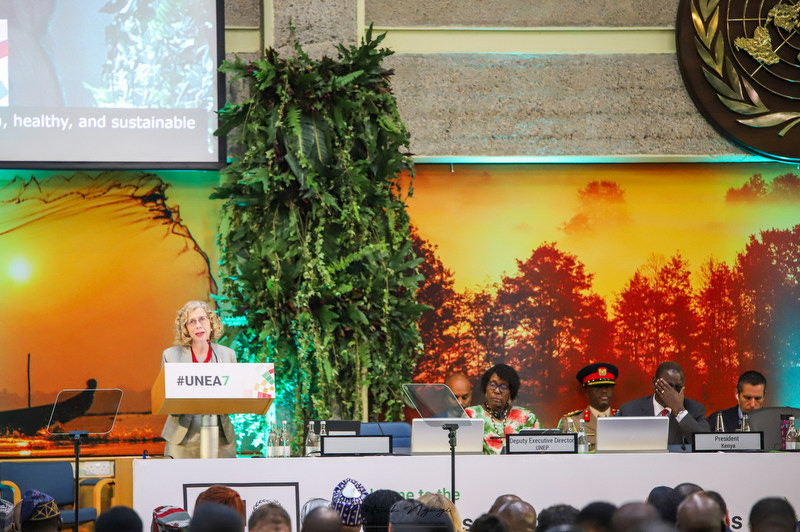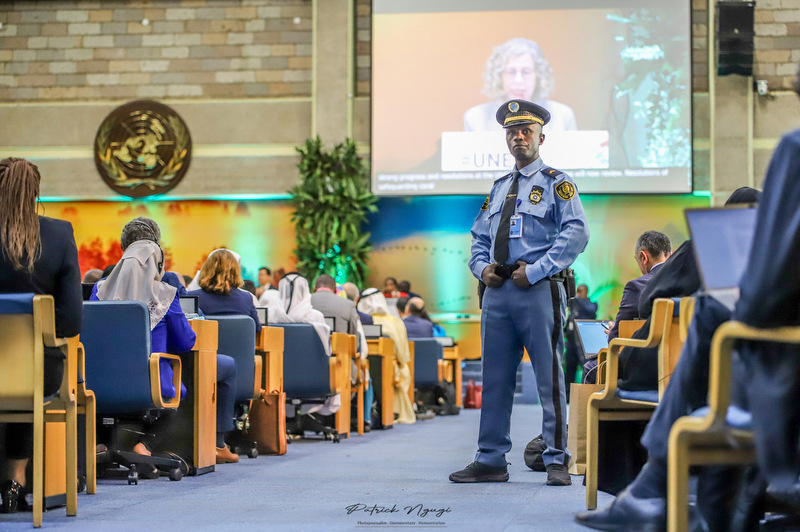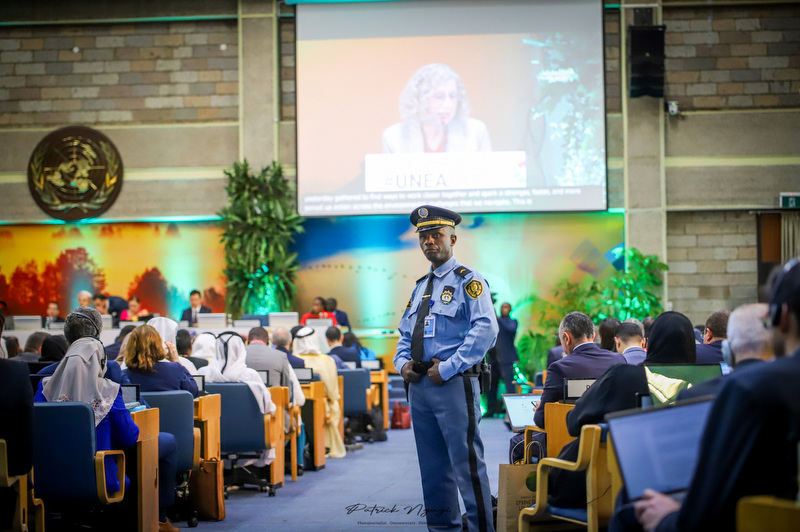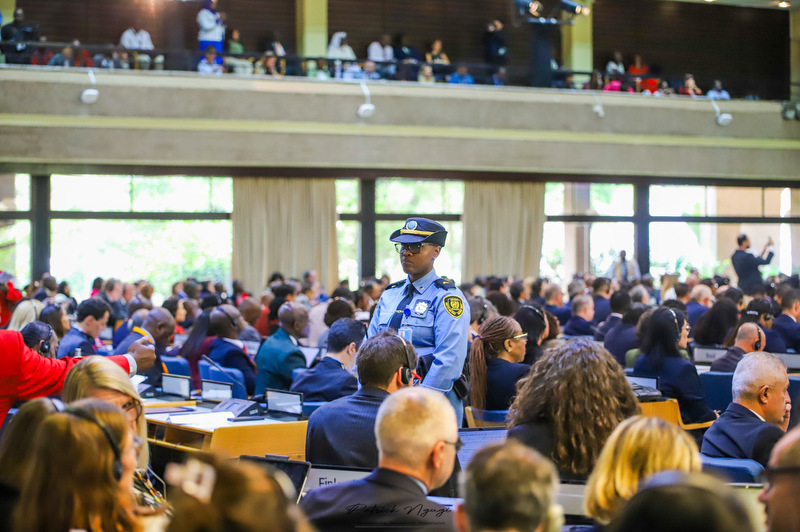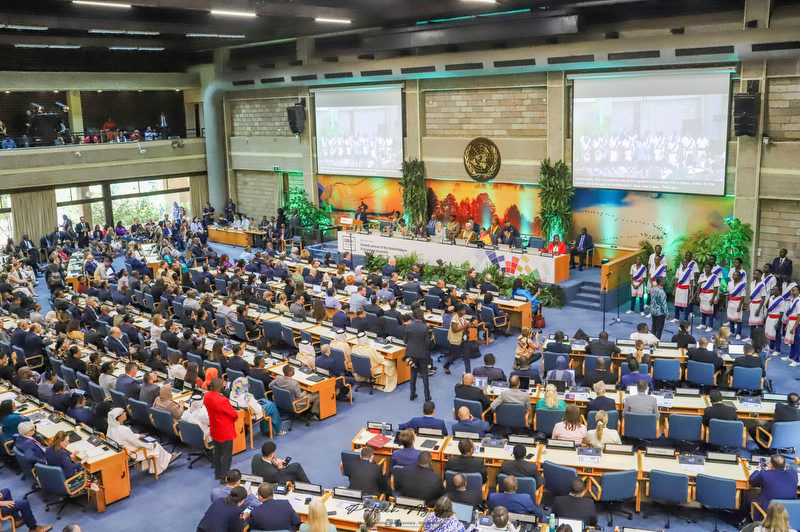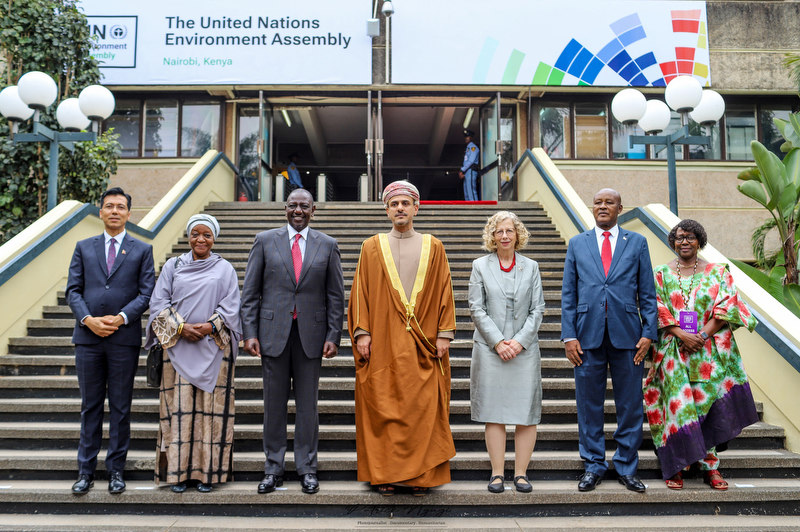


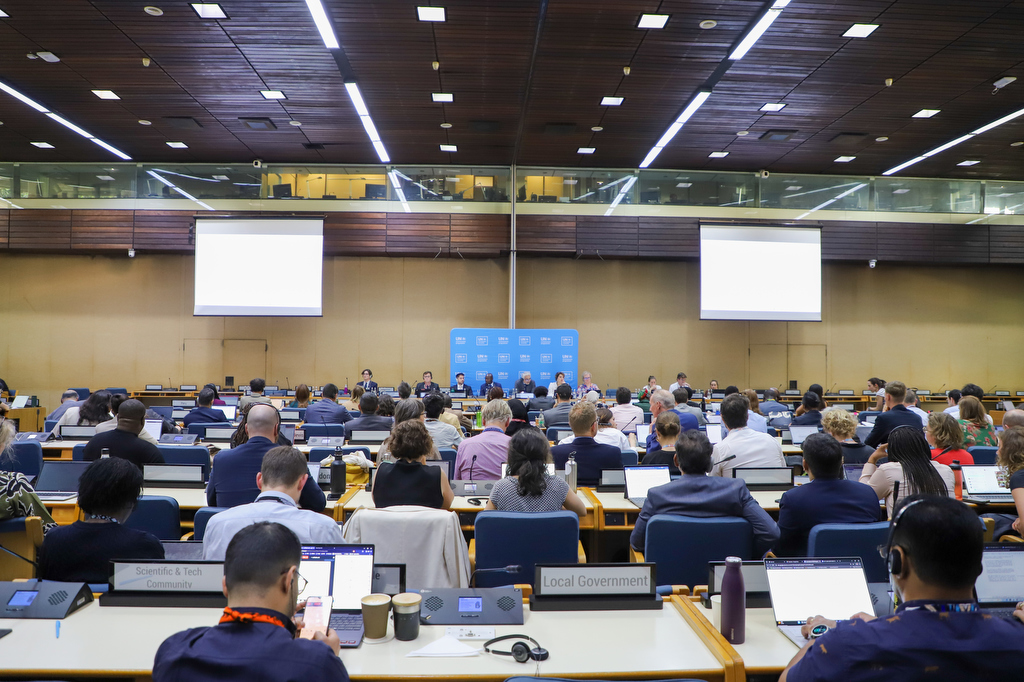
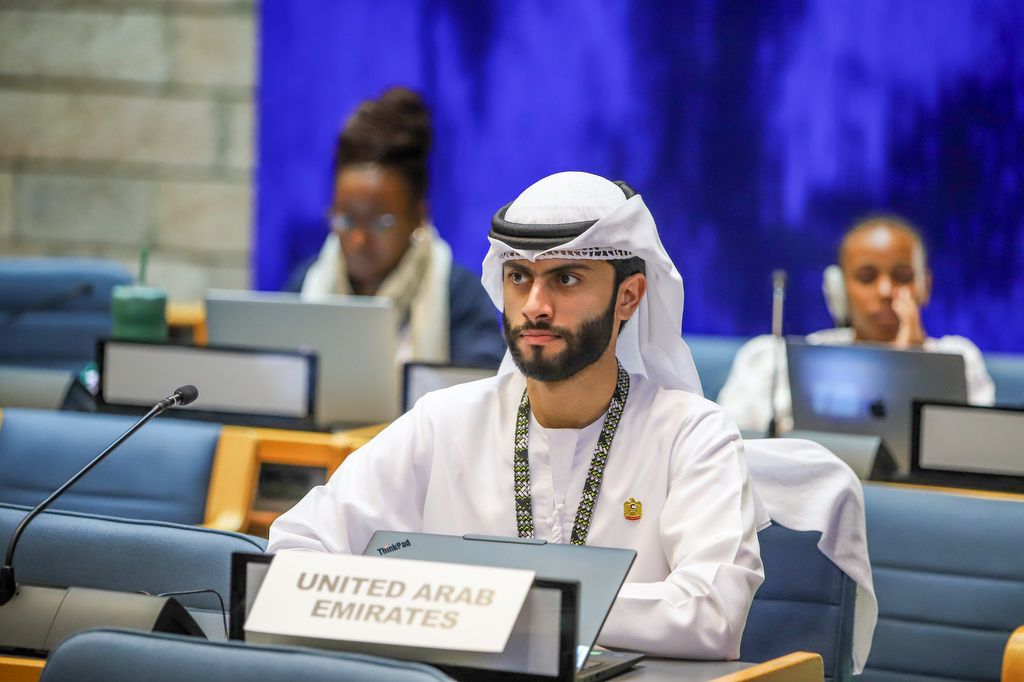

The seventh session of the United Nations Environment Assembly (UNEA-7), scheduled for December 8–12 in Nairobi, has not officially begun. But inside the United Nations compound at Gigiri, the negotiations are already underway, long before delegates take their seats for the formal opening.
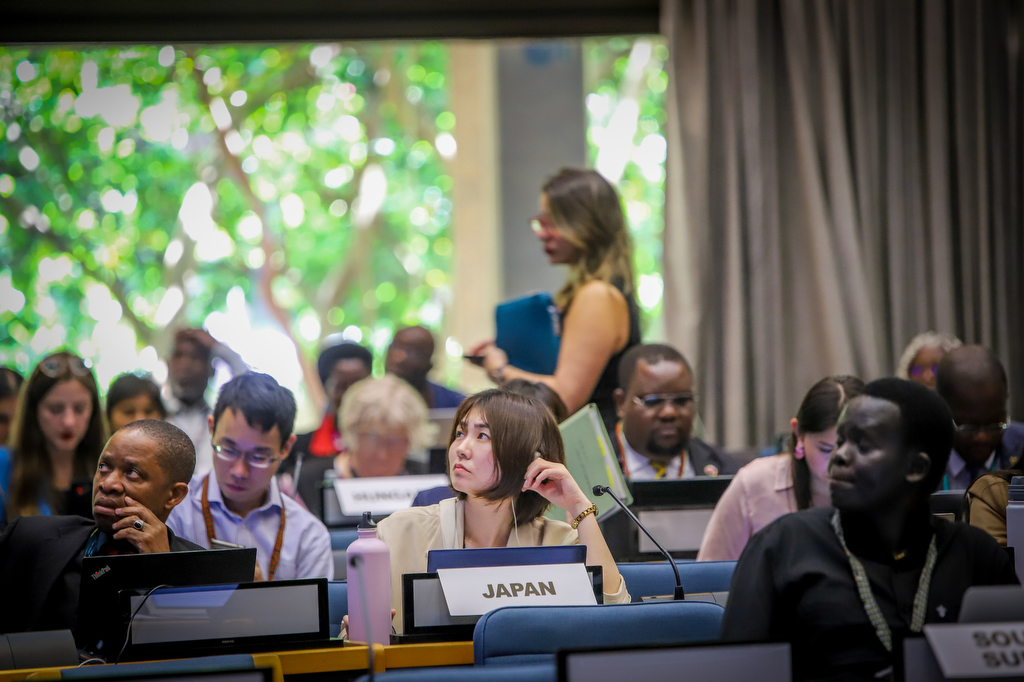
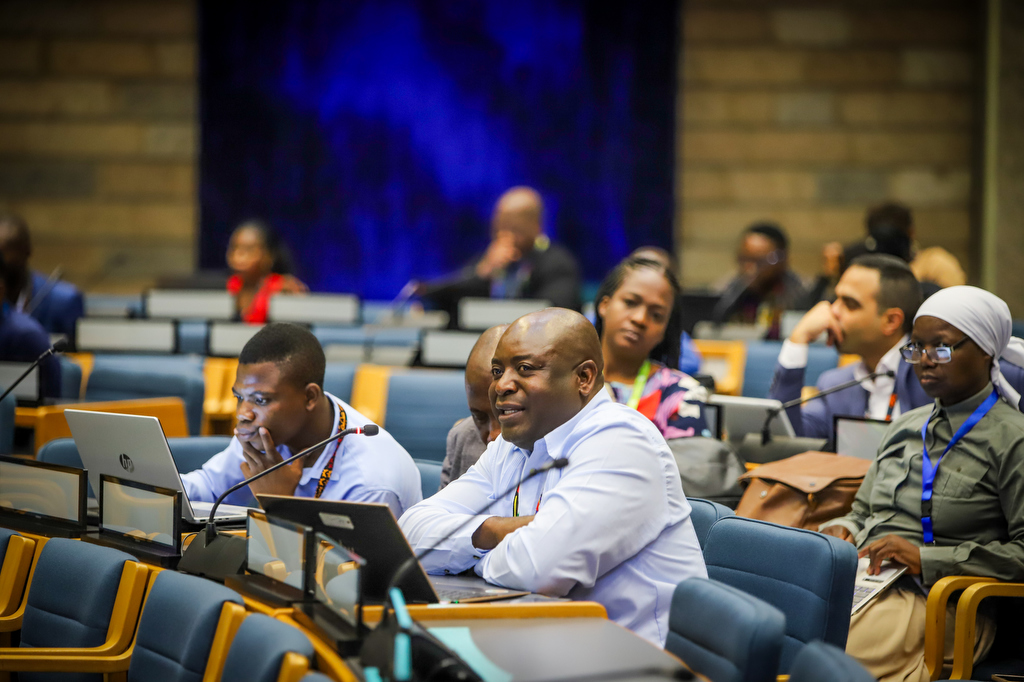
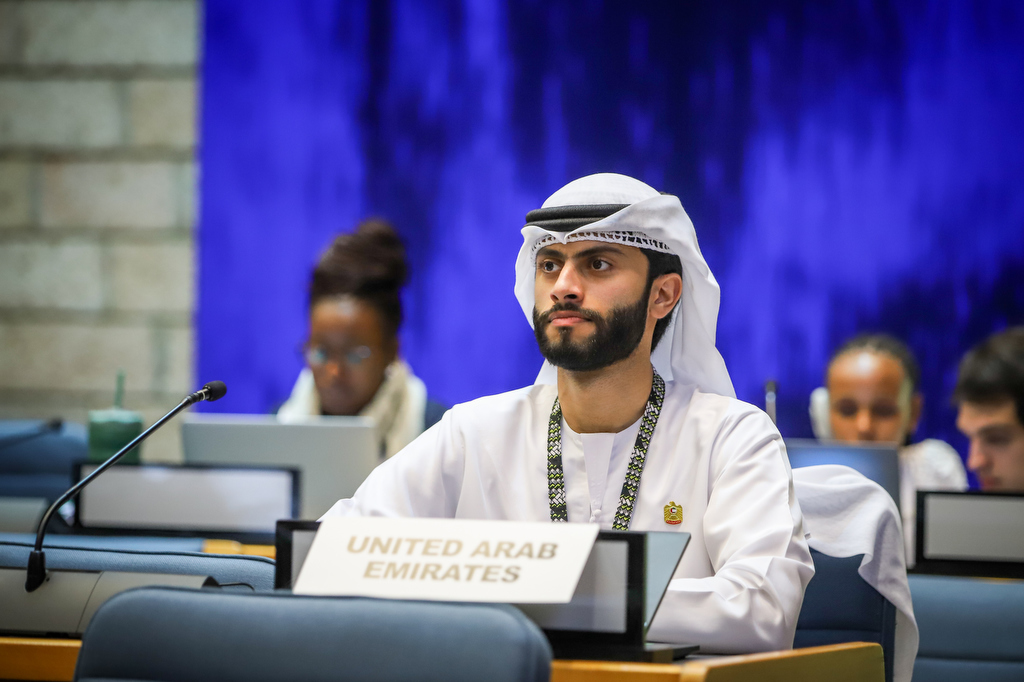
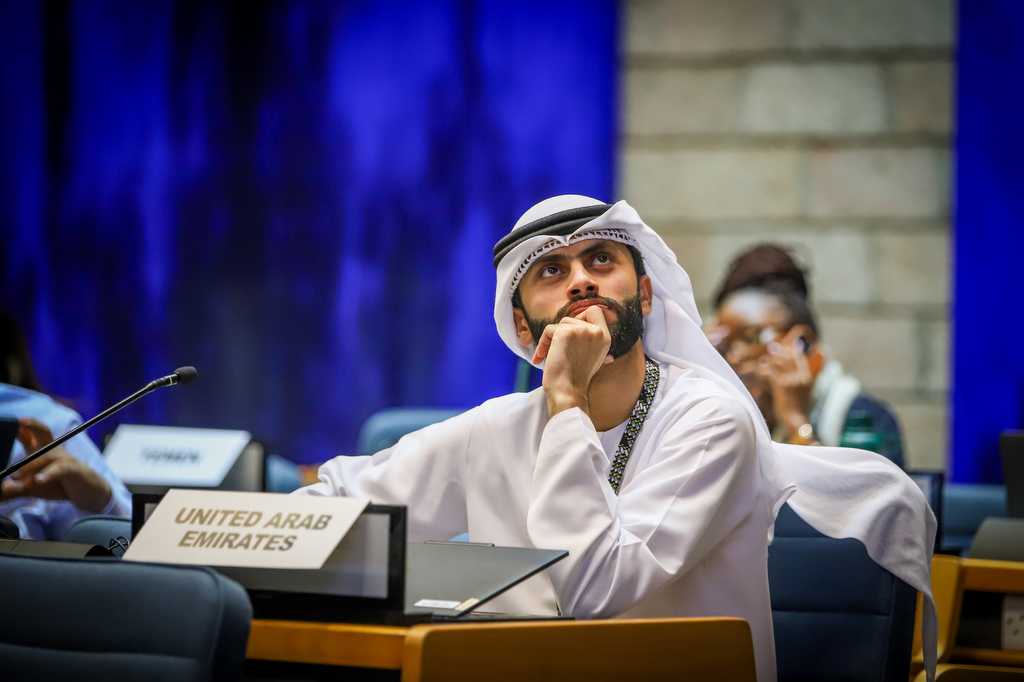
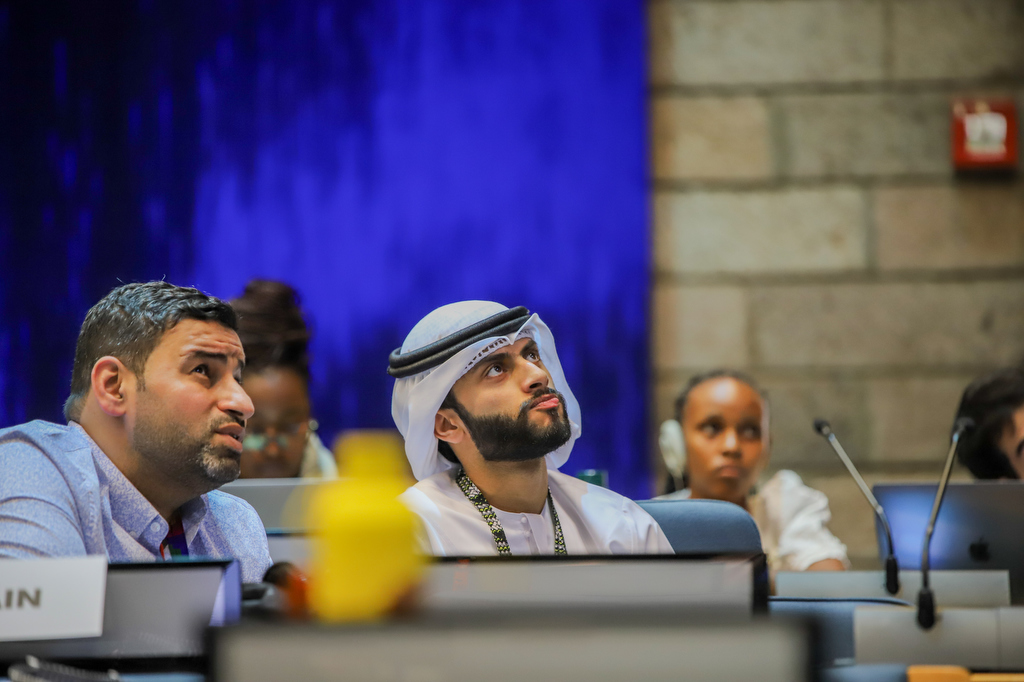
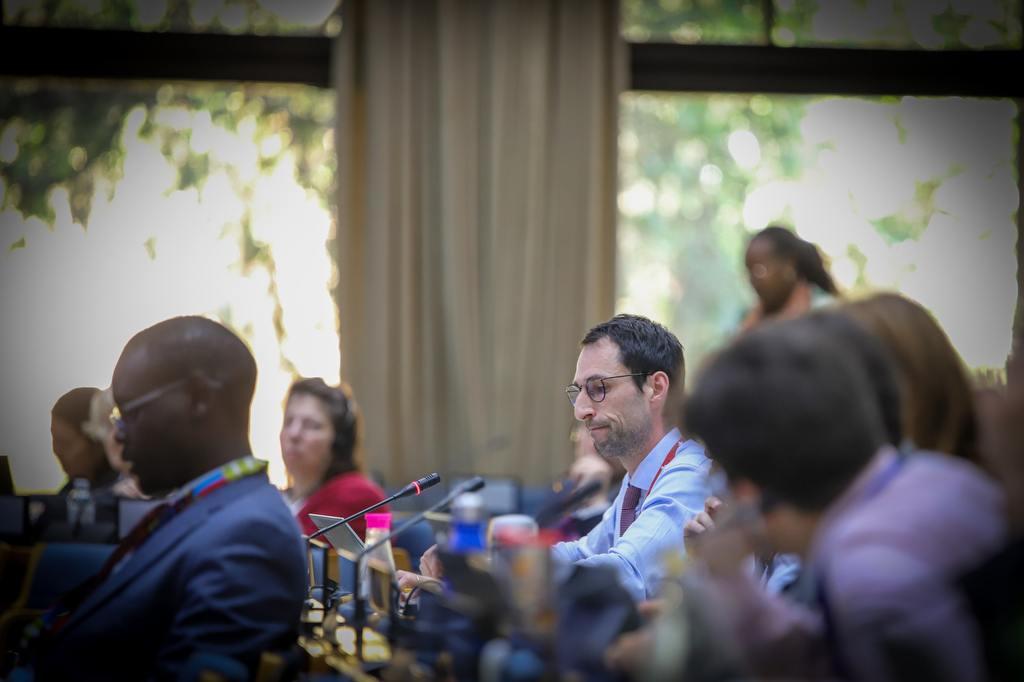
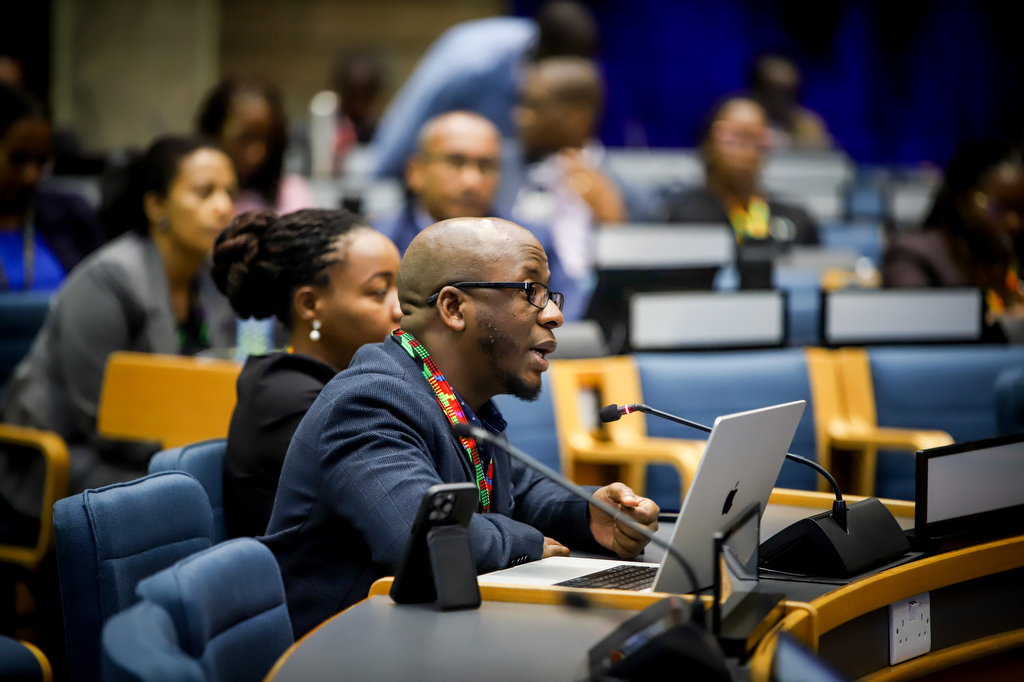
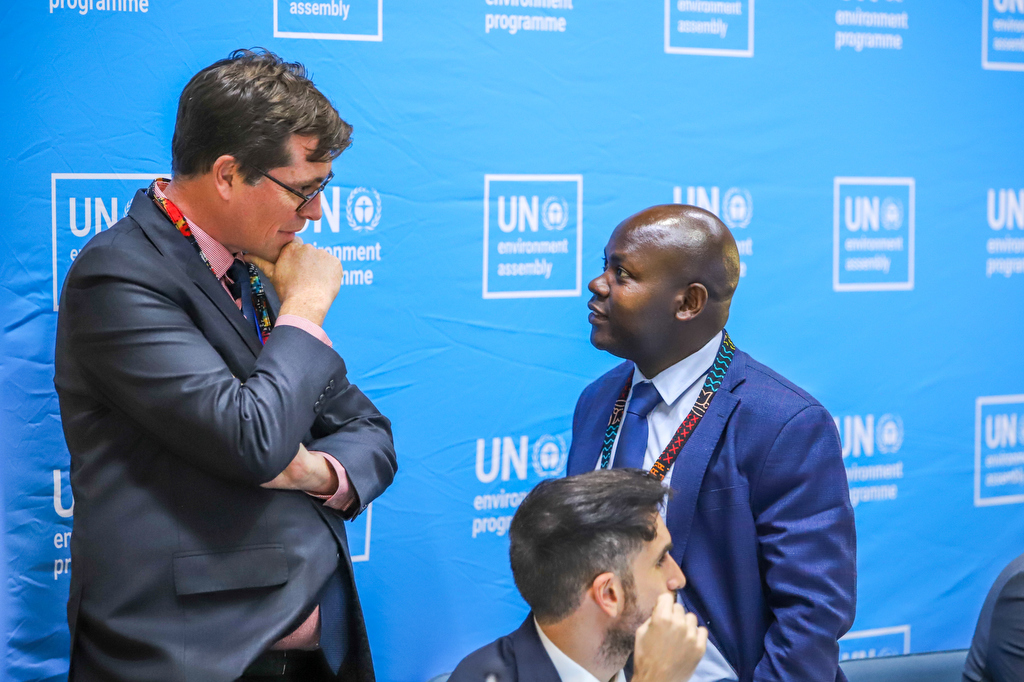
For the past two days, youth leaders, civil society groups, scientists, and government observers have packed into meeting rooms for the pre-UNEA consultations, a series of stakeholder sessions that traditionally shape the political tone of the main assembly. What unfolded on Day 2 was a reminder that environmental diplomacy is increasingly being driven not just by member states, but by a new generation unwilling to settle for vague promises or soft language.
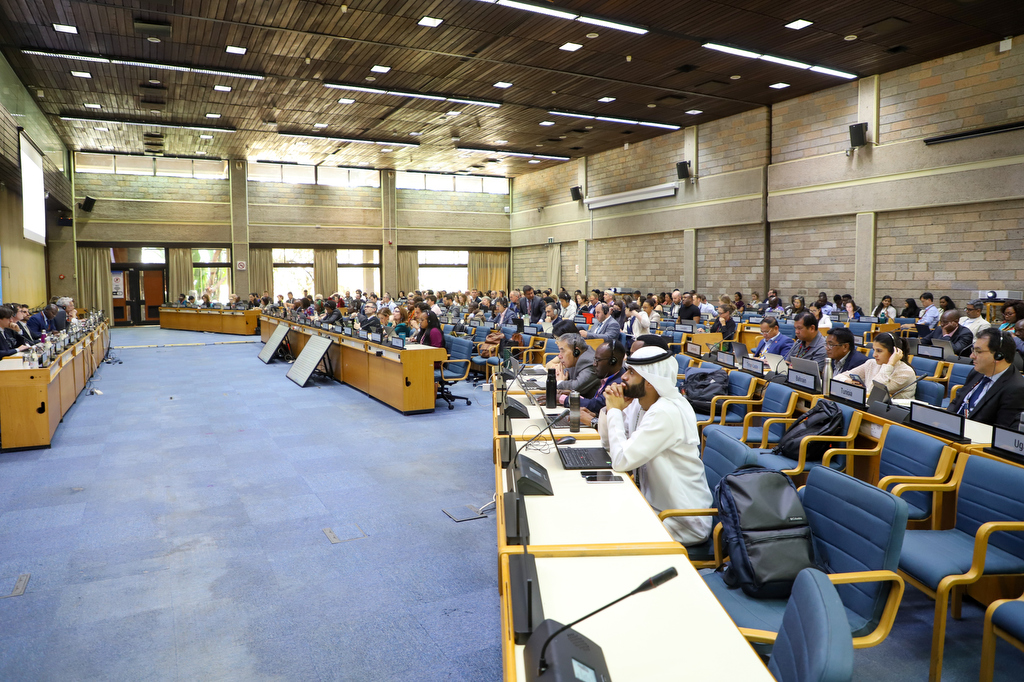
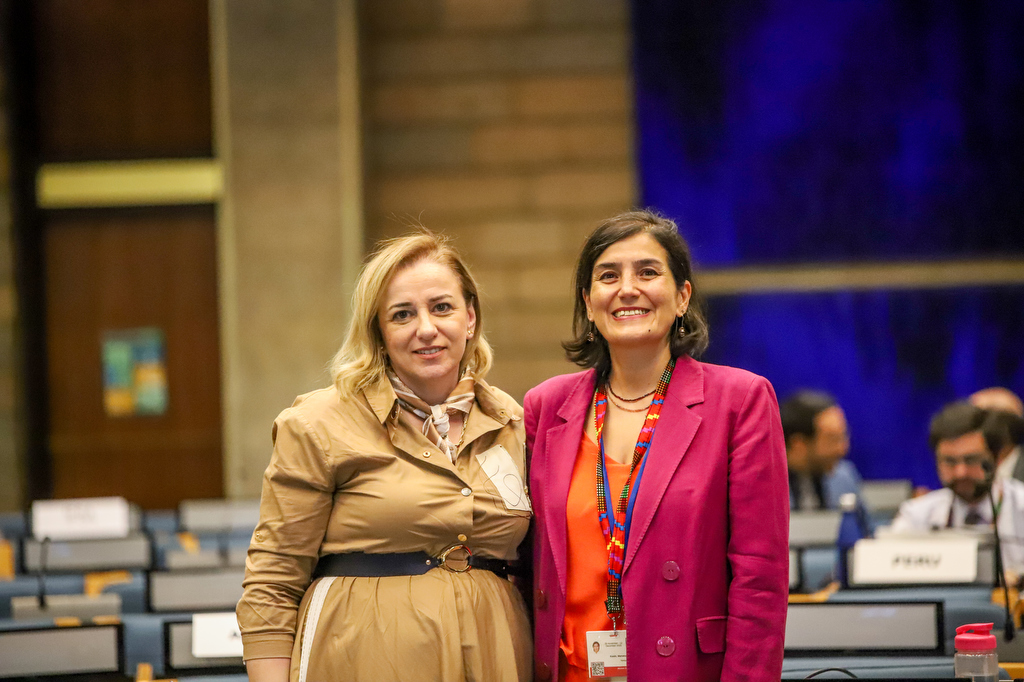
I was part of these discussions, witnessing the tension, the urgency, and, at times, the exhaustion that defined the day.
A Preview of the Battles to Come
This year’s UNEA—the world’s highest environmental policymaking forum—will examine issues ranging from microplastics to wildfires, AI’s environmental footprint to the escalating crisis of water insecurity. But it was the early negotiations around governance, mineral extraction and the circular economy that consumed much of Day 2.
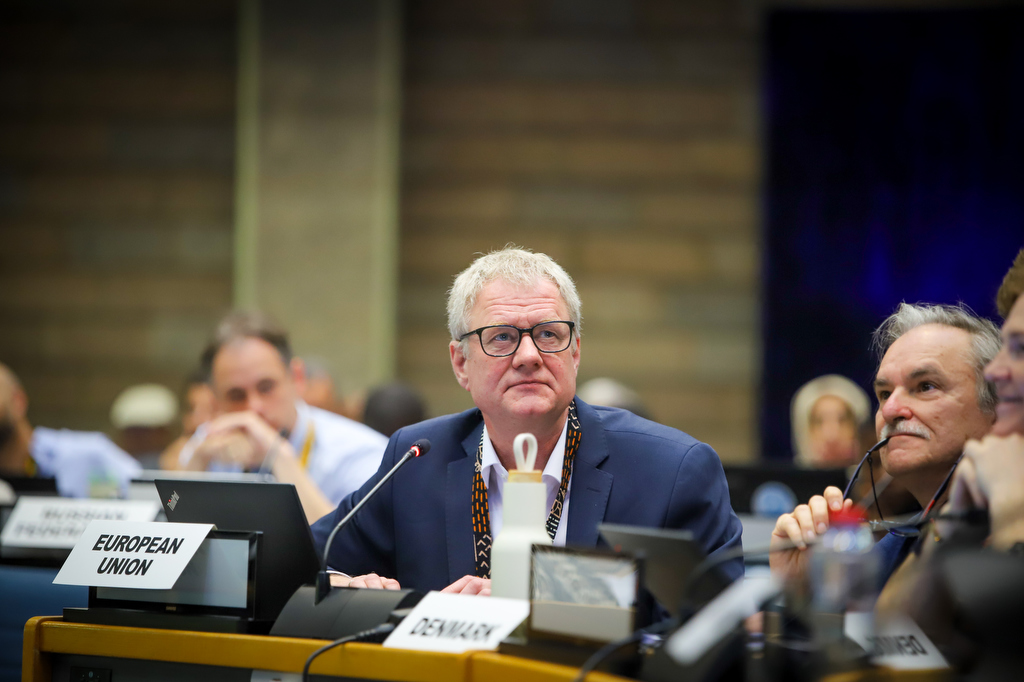
Across the sessions, a single theme emerged: young people want their voices not only heard but written—explicitly—into UNEA’s agenda.
A Heated Debate Over “Green Transition Minerals”
The most tense exchanges of the day centered on mineral resource stewardship. As governments rush to scale up renewable energy systems, demand for lithium, cobalt, copper, and rare earths continues to surge. The question is whether the world can pursue a green transition without repeating the extractive injustices of the past.
Youth delegates argued, NO!
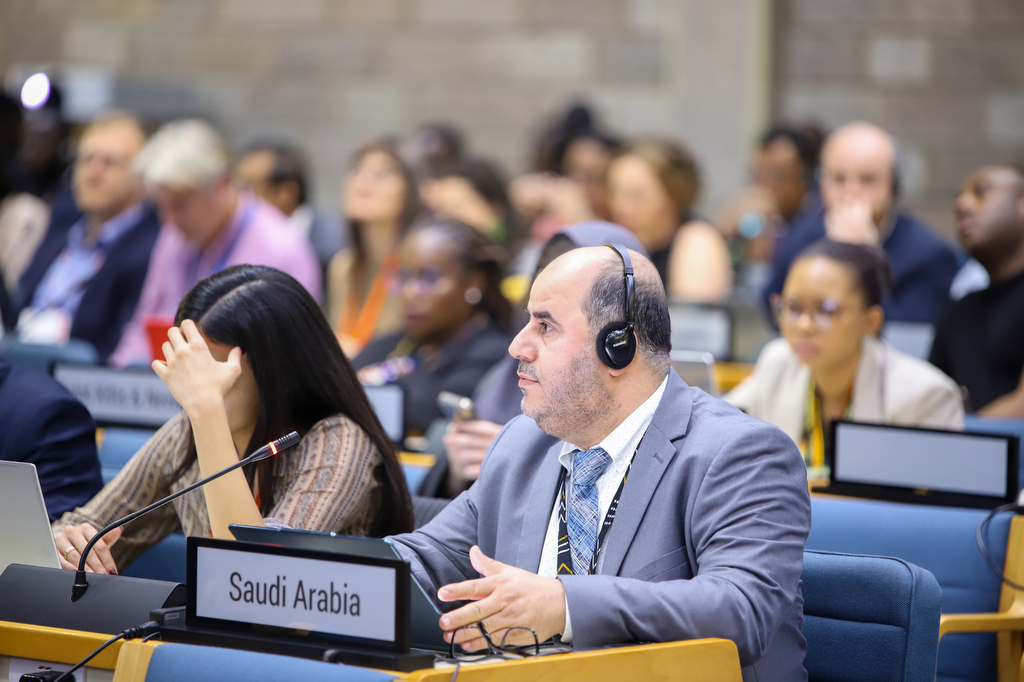
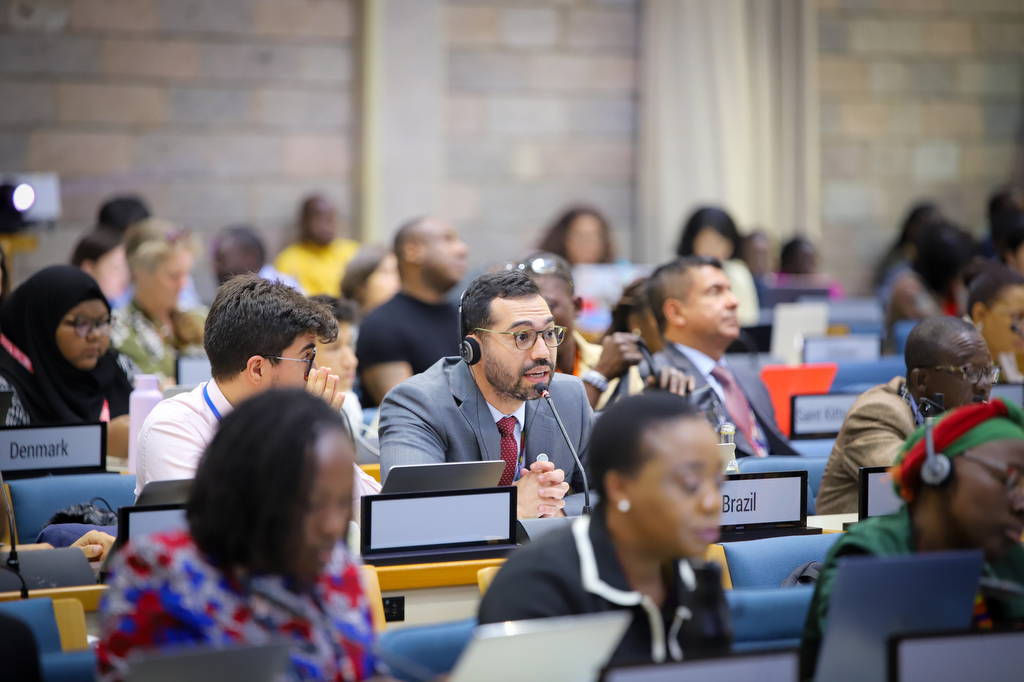
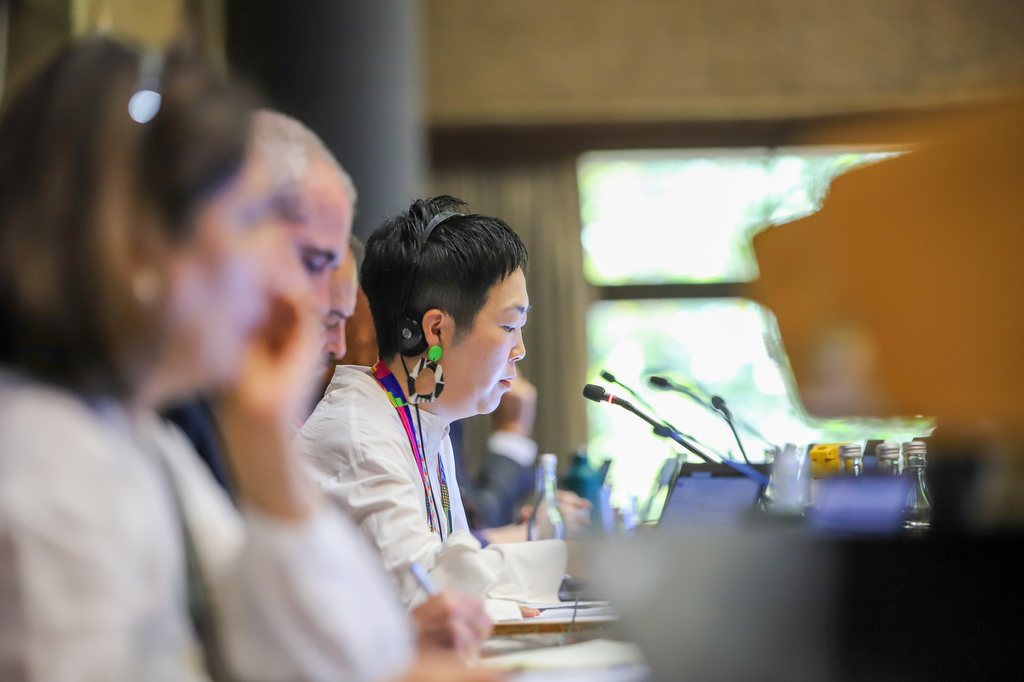
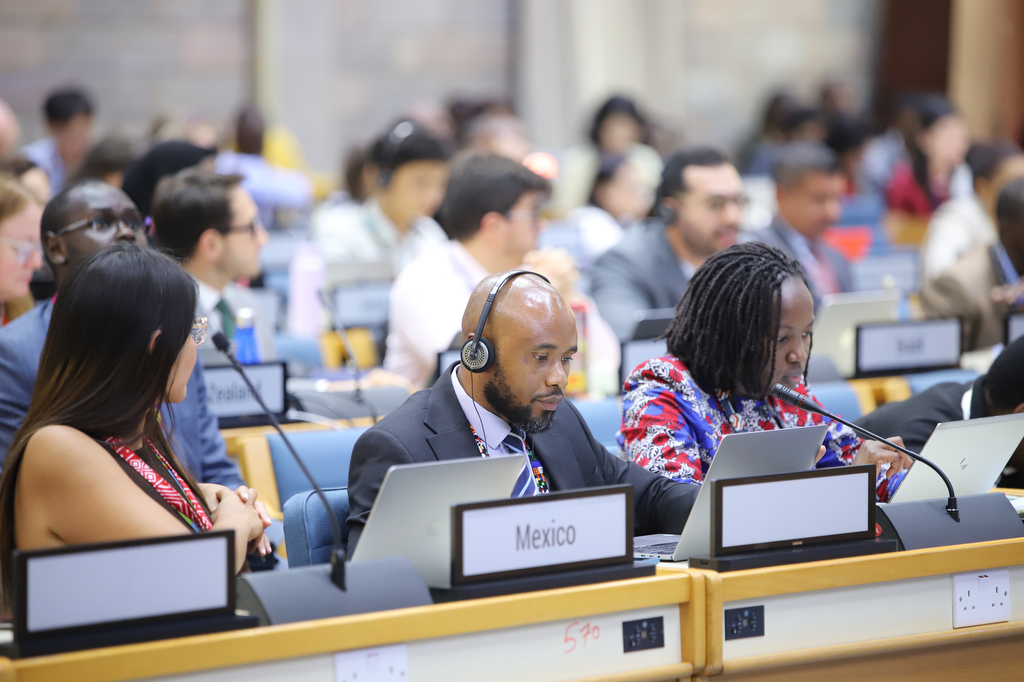
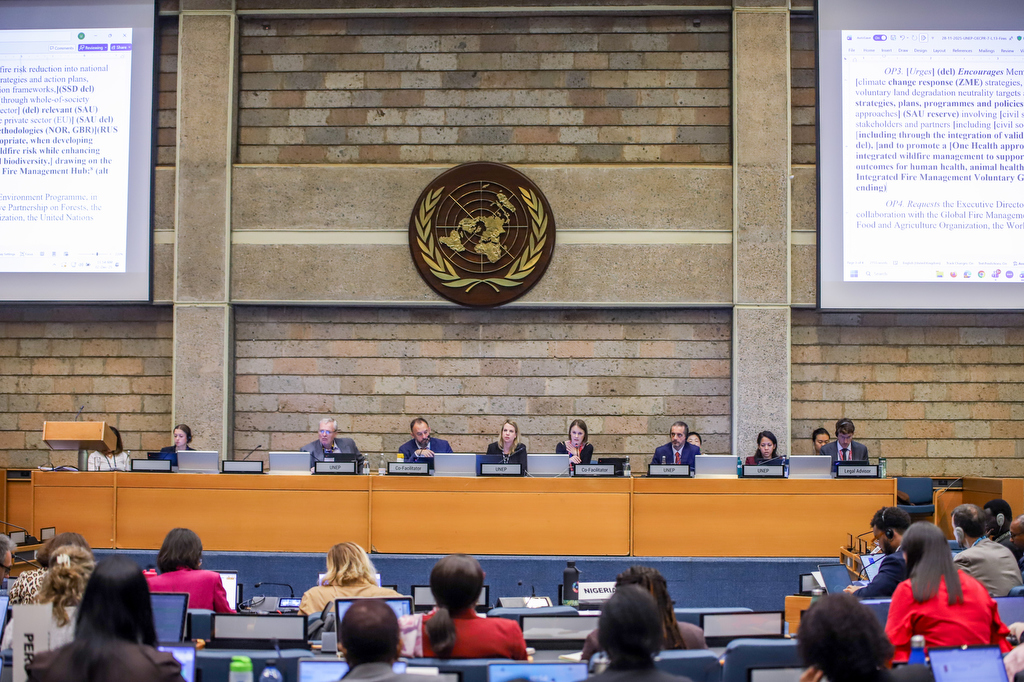
In a session I attended, amendments to the draft text were debated line by line. Youth and Children fought to have the same rights as member states. A suggestion that was fiercely debated. Fiecly contested. This saw major changes in the drafts that kept making it hard overall.
The room pushed back.
Several sessions ran into the evening as participants sacrificed their dinner breaks to reconcile opposing clauses. It was the clearest sign yet of how deeply this issue divides stakeholders—and how hard the youth bloc is prepared to fight.
Circular Economy and the Push for Stronger Producer Responsibility
Another major topic—waste management—sparked its own urgency.
Delegates pressed for a complete shift toward circular economic systems and stronger Extended Producer Responsibility (EPR) policies. The argument was straightforward: without systemic change, global waste costs could reach an estimated $640 billion by 2050.
Text negotiations often spilled into the hallways. During lunch breaks, I watched groups huddle over laptops, adjusting wording that could determine whether producers are merely encouraged or legally obliged to redesign systems that reduce waste.
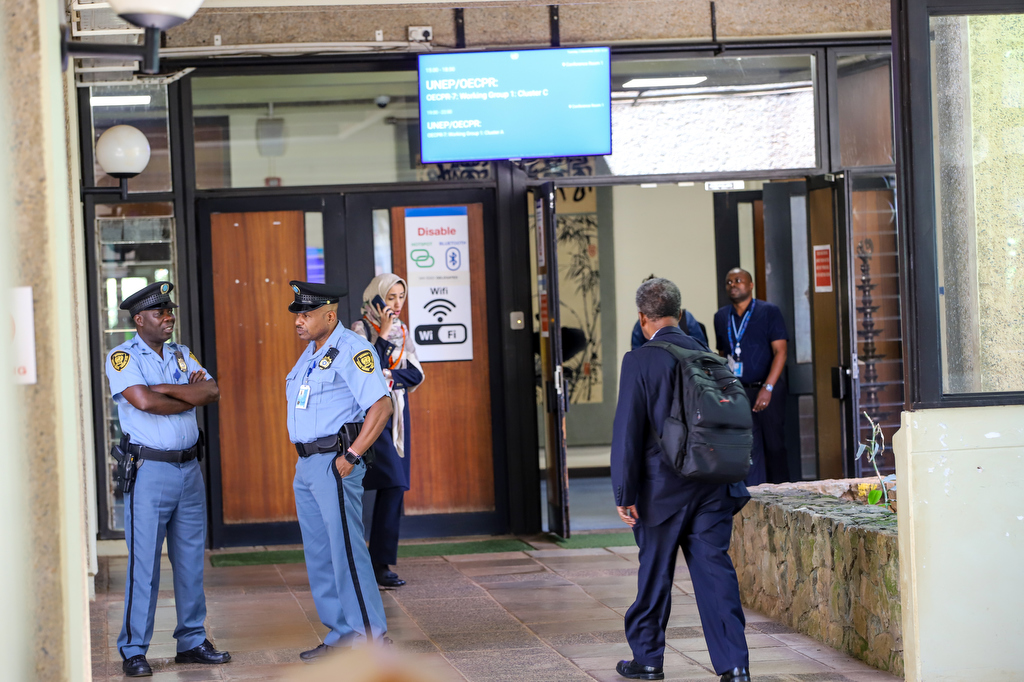
The line between idealism and feasibility was thin, but the determination to keep circularity on the table was overwhelming.
Governance and Youth Rights: Beyond Symbolism
Perhaps the most emotionally charged theme was youth participation itself.
For years, young people have been invited to international environmental negotiations, but often in symbolic, non-binding roles. This time, they want more.
They pushed for;
- formal recognition as stakeholders with agency,
- mechanisms that ensure youth voices influence policy, and
- accountability structures to prevent token inclusion.
Corridor conversations—which often reveal more than the official sessions—were dominated by this topic. Some delegates revisited it even after sessions closed, continuing discussions over coffee and on the walkways outside Conference Room 1.
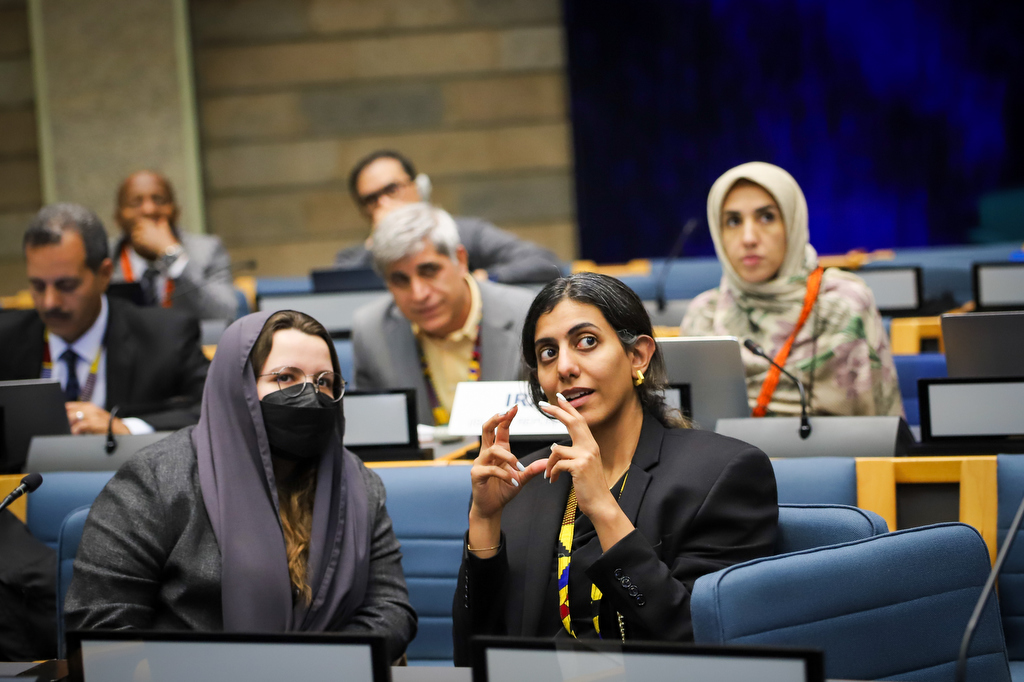
The energy was unmistakable: youth leaders want UNEA-7 to be the moment their role becomes embedded in environmental governance—not an afterthought.
A Broader Question: What Does Prosperity Mean Now?
An unexpected but powerful thread woven through several sessions was the challenge to traditional economic metrics.
Participants urged policymakers to redefine prosperity to include:
- cultural identity,
- community well-being, and
- ecological health.
The argument was not radical but timely. In an era of escalating climate extremes, many questioned whether GDP alone can meaningfully measure a nation’s success.
Drafting the Documents That Will Shape UNEA-7
By the end of Day 2, the drafting committees—exhausted, hungry, and still debating—had made measurable progress.
Their efforts are feeding directly into two major documents:
- The Global Youth Statement, and
- The Global Youth Declaration
Both will be presented to government delegations during UNEA-7 and will influence how negotiations unfold when ministers arrive next week.
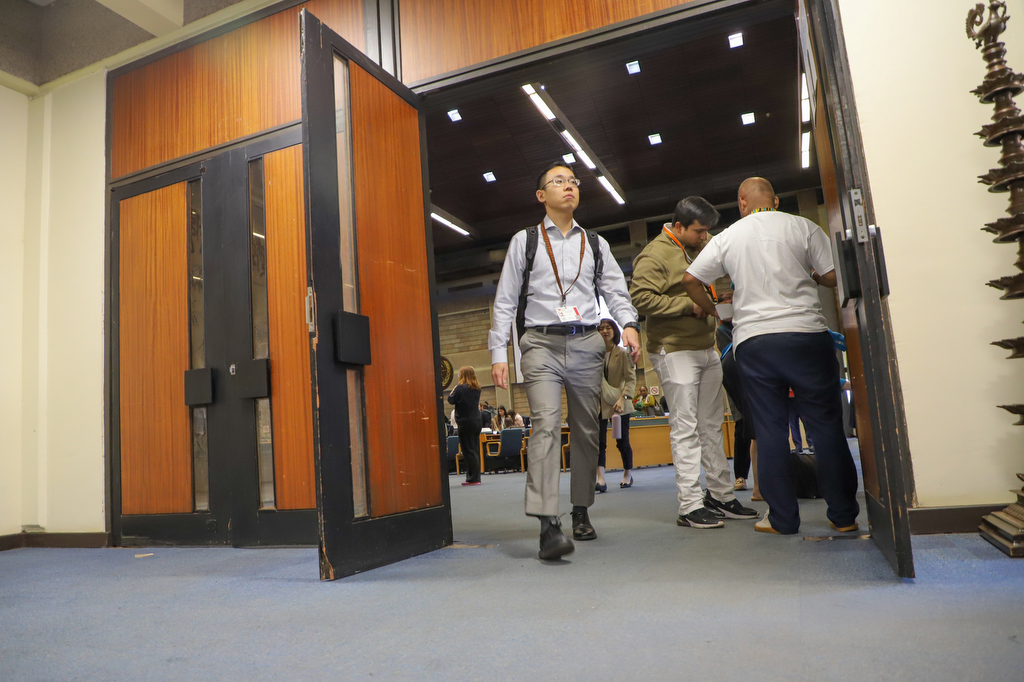
The level of commitment was impossible to ignore: delegates skipped meals, revisited stubborn clauses in the corridors, traded ideas during lunch, and returned to the negotiating table late into the evening.
This was not symbolic participation. It was policymaking at its most human—messy, determined, and deeply felt.
The Road to UNEA-7
If these pre-UNEA sessions are any indication, the formal negotiations beginning December 8 will be contentious, emotionally charged, and unusually youth-driven.
And perhaps that is precisely the point.
In a world facing overlapping environmental crises, the people who will live longest with the consequences are no longer willing to wait quietly outside the room. At UNEA-7, they are not only demanding a seat at the table—they are actively rewriting the agenda. And I will be there to witness it all!